
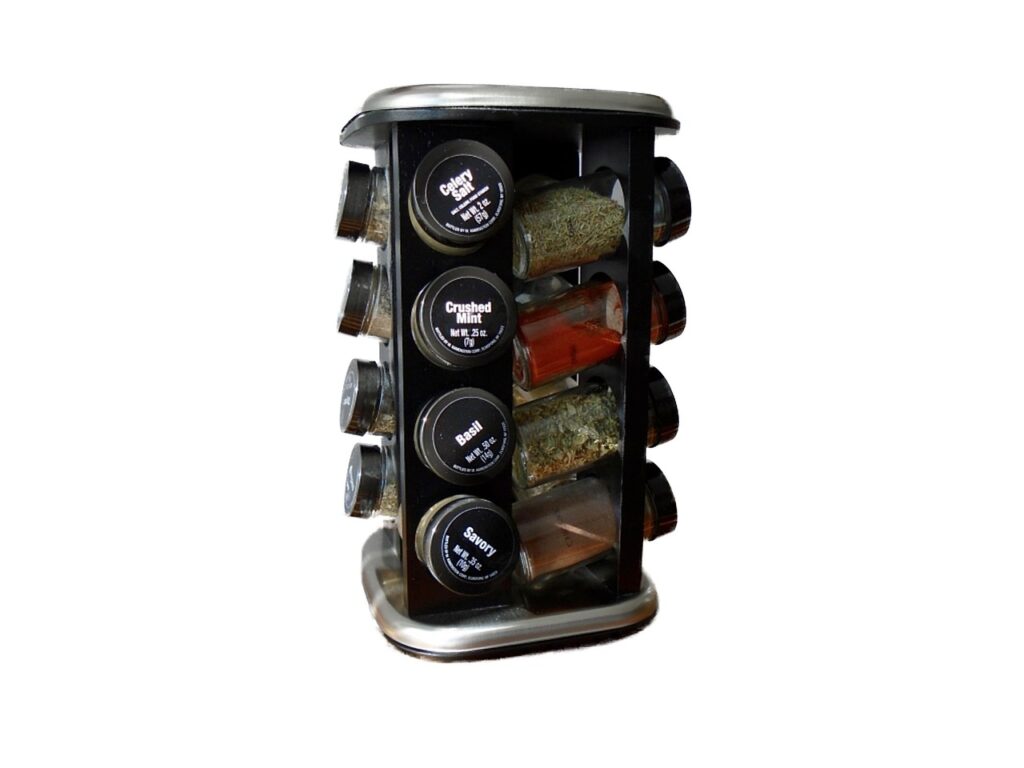
Spices are the unsung heroes of culinary masterpieces, transforming dishes from bland to extraordinary with just a pinch. However, their vibrant flavors and aromas can diminish over time if not stored properly. Ensuring that your spices remain fresh and potent is crucial for any home cook or professional chef. This article delves into the top spice storage tips that guarantee long-lasting freshness, helping you to maintain the quality of your spices and, by extension, the taste of your dishes.
Understanding the Nature of Spices
Before diving into storage techniques, it’s essential to understand what spices are and why they require specific care. Spices are dried plant parts such as seeds, roots, barks, and fruits, each containing volatile oils responsible for their unique flavors and aromas. These volatile oils are sensitive to environmental factors such as light, heat, air, and moisture, which can degrade them over time.
The Enemies of Spices
Several factors contribute to the degradation of spices, and understanding these can help implement effective storage solutions.
Light
Exposure to light, particularly sunlight, can cause the breakdown of the oils in spices, leading to a loss of flavor and color. It’s essential to store spices in a dark place to maintain their potency.
Heat
Heat can accelerate the evaporation of volatile oils. Spices should be kept away from heat sources such as stoves, ovens, and direct sunlight.
Air
Air exposure can lead to oxidation, resulting in the loss of essential oils. Airtight containers are crucial to prevent air from degrading your spices.
Moisture
Moisture can lead to clumping and even mold in some cases. Spices should be stored in a dry environment to prevent these issues.
Top Spice Storage Tips
Now that we understand the factors affecting spice longevity, let’s explore the top storage tips to keep your spices fresh and flavorful.
Use Airtight Containers
One of the simplest yet most effective ways to store spices is by using airtight containers. Glass jars with tight-fitting lids are ideal as they prevent air from entering and do not absorb smells like plastic containers might. Mason jars or specialized spice jars with secure seals work wonderfully for this purpose.
Keep Spices in a Cool, Dark Place
Store spices in a cupboard or pantry away from direct sunlight and heat sources. A dedicated spice rack within a dark cabinet is an excellent option. Avoid storing spices above the stove or near the dishwasher, where heat and steam are prevalent.
Label and Date Your Spices
Always label your spices with their names and the date of purchase. This practice helps in monitoring the age of your spices and ensures you use them while they’re still fresh. Spices generally have a shelf life of 1 to 3 years, but this can vary based on the type and storage conditions.
Buy Whole Spices
Whenever possible, purchase whole spices instead of pre-ground versions. Whole spices retain their oils better and have a longer shelf life. Ground spices are more susceptible to environmental degradation. Investing in a good-quality spice grinder allows you to grind spices as needed, ensuring maximum freshness and flavor.
Keep Spices Away from Moisture
Avoid storing spices in the refrigerator as the fluctuating humidity can introduce moisture. Ensure that your spice storage area is dry and free from steam or water exposure. Consider using silica gel packs in your spice containers to absorb any excess moisture.
Avoid Transparent Containers
While visually appealing, transparent containers can expose spices to light. If you prefer glass containers, ensure they are stored in a dark cabinet. Alternatively, opt for opaque containers to keep light exposure to a minimum.
Organize for Easy Access
An organized spice rack or drawer ensures that you can easily find and access your spices without fumbling through a cluttered space. This minimizes the time containers are open, reducing air exposure. Consider organizing spices alphabetically or by cuisine.
Monitor and Refresh Regularly
Periodically check your spices for any signs of mold, clumping, or loss of aroma. Refresh your spice collection by replacing old spices with new ones every couple of years. This practice ensures that your culinary creations are always bursting with flavor.
Additional Tips for Spice Longevity
Beyond the basics, a few additional strategies can help extend the life of your spices.
Use Spice Jars with Built-In Grinders
For frequently used spices like peppercorns, consider jars with built-in grinders. They minimize exposure to air and ensure freshly ground spices every time.
Consider Vacuum Sealing
For large quantities of spices, vacuum sealing is an excellent option. It removes air from the packaging, significantly extending the shelf life of your spices.
Invest in Quality Spices
High-quality spices, often available from specialty stores or online retailers, tend to be fresher and more potent than those sitting on supermarket shelves. Investing in quality spices means you’ll have better flavors and aromas to start with.
Conclusion
Storing spices correctly is a crucial aspect of maintaining their flavor and potency. By understanding the factors that contribute to spice degradation and implementing the storage tips outlined in this article, you can ensure that your pantry remains stocked with vibrant, aromatic spices. Whether you’re a seasoned chef or a home cook, these strategies will help you make the most of your spice collection, enhancing your dishes with the freshest flavors possible.
“`
#ChatGPT assisted in the creation of this article.


