The Silk Road, a historic network of trade routes that connected the East and West, is often romanticized for its exchange of silk, ideas, and culture. However, among its most fascinating and less celebrated commodities were spices. These aromatic treasures not only transformed culinary traditions across continents but also played a crucial role in shaping global economies and societies. This article delves into the hidden spice treasures of the Silk Road, exploring their origins, significance, and enduring legacy.
The Historical Context of the Silk Road
The Silk Road was not a single path but a vast network of interconnected trade routes that spanned from China to the Mediterranean. Its origins can be traced back to the Han Dynasty of China around the 2nd century BCE, reaching its peak during the Tang, Yuan, and Mongol empires. While silk was indeed a major commodity, the Silk Road facilitated the exchange of many other goods, including precious metals, textiles, and spices.
The Spice Trade: A Catalyst for Exploration and Exchange
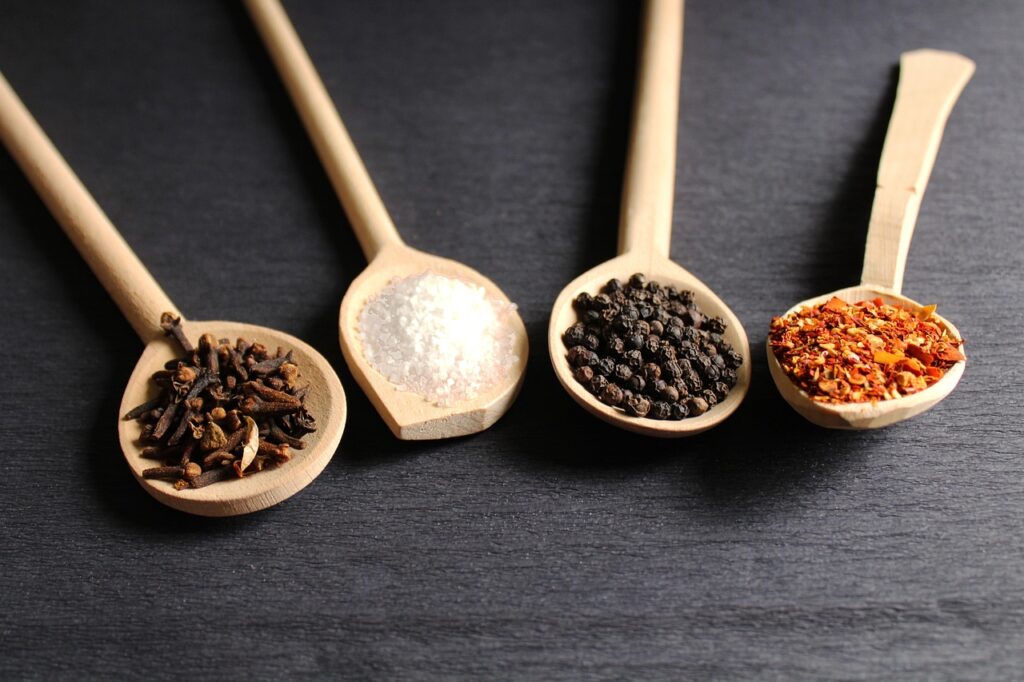
Spices were among the most coveted goods on the Silk Road, valued not only for their culinary uses but also for their medicinal properties and as status symbols. The demand for spices such as pepper, cinnamon, and cloves fueled exploration, leading to the discovery of new lands and the establishment of trade relations.
Pepper: The King of Spices
Pepper, often referred to as the “King of Spices,” was one of the most sought-after commodities on the Silk Road. Originating from the Malabar Coast of India, pepper was prized for its ability to enhance flavor and preserve food. It was so valuable that it was often used as a form of currency in ancient times.
Cinnamon: A Spice of Legends
Cinnamon, native to Sri Lanka and southern India, was surrounded by myths and legends. Ancient traders spun tales of giant birds guarding cinnamon groves to protect their trade secrets. This spice was highly esteemed for both its aromatic qualities and its purported health benefits.
Cloves and Nutmeg: The Spice Islands’ Gems
The Moluccas, also known as the Spice Islands, were the exclusive source of cloves and nutmeg. These spices were integral to the Silk Road’s spice trade, with their exotic allure captivating traders and consumers alike. Cloves, in particular, were used in a variety of ways, from culinary applications to medicinal remedies.
The Influence of Spices on Culinary Traditions
The introduction of spices via the Silk Road had a profound impact on the culinary traditions of regions far removed from their places of origin. Spices not only enhanced flavors but also led to the creation of entirely new dishes and cooking techniques.
India: The Spice Epicenter
India has long been at the heart of the spice trade, both as a producer and a consumer. The Indian subcontinent’s diverse climate and geography allowed for the cultivation of a wide variety of spices, including cardamom, turmeric, and cumin. These spices became integral to Indian cuisine, influencing global culinary practices.
The Middle East: A Melting Pot of Flavors
The Middle East, situated at the crossroads of the Silk Road, became a melting pot of culinary traditions. Spices such as saffron, sumac, and za’atar became staples in Middle Eastern cooking, contributing to the region’s rich and diverse food culture.
Spices as Symbols of Wealth and Power
Beyond their culinary uses, spices were symbols of wealth and power. European nobility and merchants coveted these exotic goods, leading to the establishment of new trade routes and the eventual age of exploration. The spice trade played a pivotal role in the rise and fall of empires, with control over spice-producing regions often leading to great wealth or ruin.
The Enduring Legacy of the Silk Road’s Spice Trade
While the Silk Road itself eventually declined due to changing trade routes and the rise of maritime exploration, its legacy endures. The exchange of spices along these ancient routes laid the groundwork for modern global trade networks and cultural exchanges. Today, spices continue to be a testament to the Silk Road’s rich history, bridging cultures and traditions.
Conclusion
Unlocking the Silk Road’s hidden spice treasures reveals a tapestry of history, exploration, and cultural exchange. Spices such as pepper, cinnamon, cloves, and nutmeg were not mere commodities but catalysts for change, shaping the course of history in profound ways. As we savor the flavors and aromas of these ancient treasures, we are reminded of the enduring connections they forged between distant lands and peoples.
#ChatGPT assisted in the creation of this article.


