Spices are the secret ingredients that transform a dish from bland to exceptional. However, like many pantry staples, spices don’t last forever. Understanding how to maximize the shelf life of your spices not only helps in maintaining their flavor and aroma but also ensures you get the best value for your money. In this article, we will delve into the factors that affect the longevity of spices and how you can store them effectively to maximize their shelf life.
The Shelf Life of Spices
The shelf life of spices largely depends on their form—whole, ground, or in blends—and how they are stored. Generally, whole spices last longer than ground ones because grinding increases the surface area, exposing more of the spice to air and light, which can lead to faster degradation.
Whole Spices
Whole spices, such as cinnamon sticks, cloves, and peppercorns, can last anywhere from 3 to 4 years if stored properly. Their robust structure protects the essential oils and flavors, which are released when ground or crushed. For the best results, grind them just before using.
Ground Spices
Ground spices have a shorter shelf life, typically lasting 1 to 2 years. The process of grinding exposes more surface area to environmental factors, accelerating the loss of flavor and aroma. To maintain their potency, store ground spices in airtight containers away from heat and light.
Spice Blends
Spice blends, such as curry powder or Italian seasoning, usually have the same shelf life as the most volatile spice in the blend, often around 1 to 2 years. Be sure to check the expiry date on commercial blends and store them properly to preserve their flavors.
Factors Affecting Spice Shelf Life
Several factors can impact the shelf life of your spices. Understanding these can help you take measures to extend their usability.
Light
Exposure to light can cause spices to lose their color and flavor. It is important to store spices in a dark place, such as a pantry or cupboard, rather than on an open shelf. Consider using opaque or tinted containers to further protect them from light.
Air
Air exposure can oxidize spices, leading to loss of flavor and potency. Always keep spice containers tightly sealed when not in use. If you buy spices in bulk, consider transferring them to smaller containers to reduce the amount of air they are exposed to each time you open them.
Heat
Heat can degrade spices quickly. Avoid storing them near the stove, oven, or other heat sources. The ideal storage temperature for spices is below 70°F (21°C). A cool, dry place is best for keeping spices fresh.
Moisture
Moisture can cause spices to clump and lose flavor. It can also encourage the growth of mold and bacteria. Keep spices dry by ensuring the containers are airtight and stored in a moisture-free environment. Avoid using wet spoons to scoop spices from their containers.
Storing Spices for Maximum Freshness
Proper storage is crucial to maximizing the shelf life of your spices. Here are some tips to ensure your spices remain fresh and flavorful for as long as possible.
Use Airtight Containers
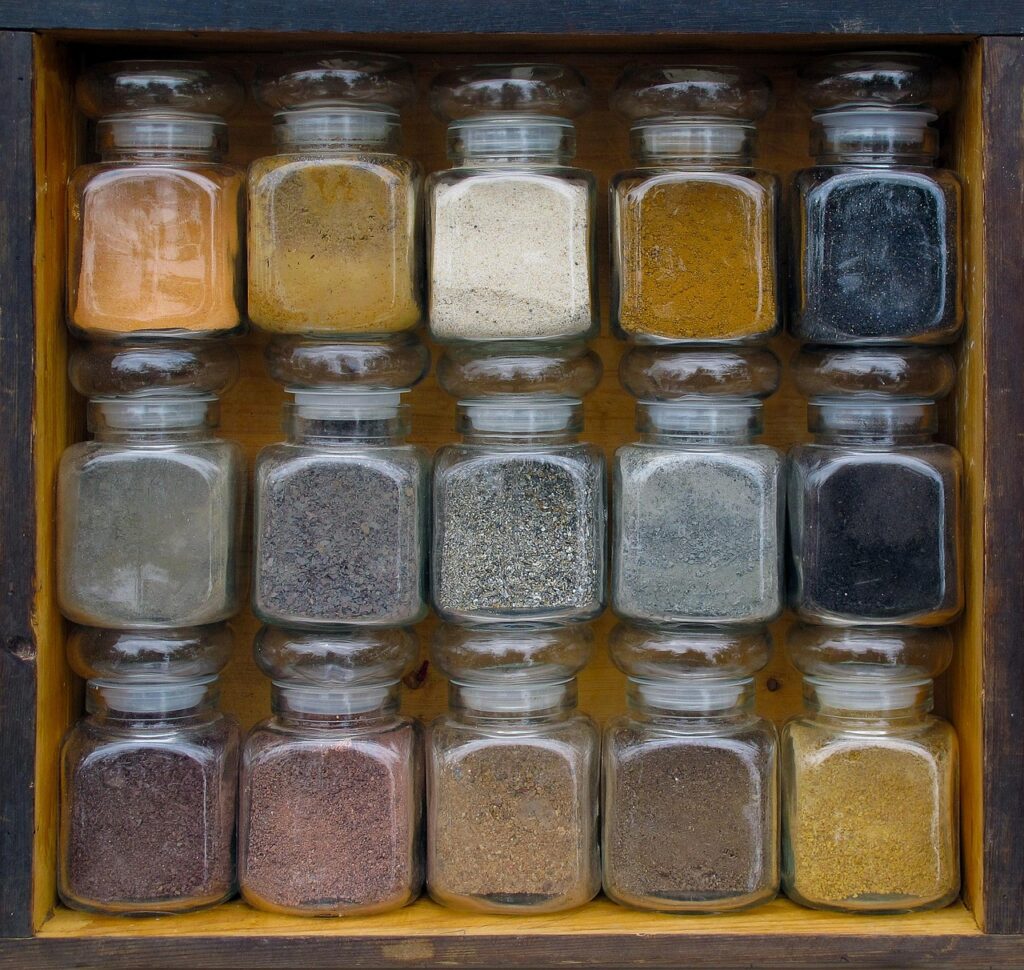
Airtight containers are essential for keeping spices fresh. They prevent exposure to air and moisture, which are primary culprits of flavor loss. Consider using glass or plastic containers with tight-fitting lids. For added protection, vacuum-sealed containers are even more effective.
Label and Date Your Spices
It can be easy to forget when you purchased or opened a spice. Label each container with the purchase date or expiration date. This helps you keep track of their freshness and ensures you use them within their optimal time frame.
Store in a Cool, Dark Place
As mentioned earlier, light and heat are detrimental to spices. Opt for a cool, dark place like a pantry or cupboard away from direct sunlight and heat sources. Avoid storing spices above the stove or near the dishwasher, where heat and moisture levels can fluctuate.
Buy in Small Quantities
To ensure you are using the freshest spices, buy them in small quantities. This way, you are more likely to use them up before they lose their potency. If you enjoy cooking with a variety of spices, consider a spice rack with small jars, allowing you to have a variety without wastage.
Testing Spice Freshness
Before using a spice, it’s important to test its freshness. Here are some simple ways to check if your spices are still good to use.
Visual Check
Examine the color of your spices. If they appear faded or dull, they may have lost their potency. Clumping is another sign of moisture exposure and potential flavor loss.
Aroma Test
Rub a small amount of the spice between your fingers and take a whiff. If the aroma is faint or not present, it’s likely that the spice has lost its flavor, and it’s time to replace it.
Conclusion
Maximizing the shelf life of your spices is a combination of proper storage techniques and regular checks for freshness. By understanding the factors that affect spice longevity and following the recommended storage methods, you can keep your spices fresh, flavorful, and ready to elevate your culinary creations. Remember, the key to making the most of your spices is not only in how you store them but also in how often you use and enjoy them.
#ChatGPT assisted in the creation of this article.


