
When it comes to cooking and baking, spices are the secret ingredients that can elevate a dish from ordinary to extraordinary. They add depth, complexity, and character to recipes, allowing cooks to express creativity and passion through flavors. However, a common debate among culinary enthusiasts is whether to use whole spices or ground spices. Both have their unique advantages and can drastically impact the taste and aroma of your dishes. In this article, we will delve into the differences between whole and ground spices, explore their benefits, and offer tips on how to use them effectively to unlock the full potential of your culinary creations.
Understanding Whole Spices
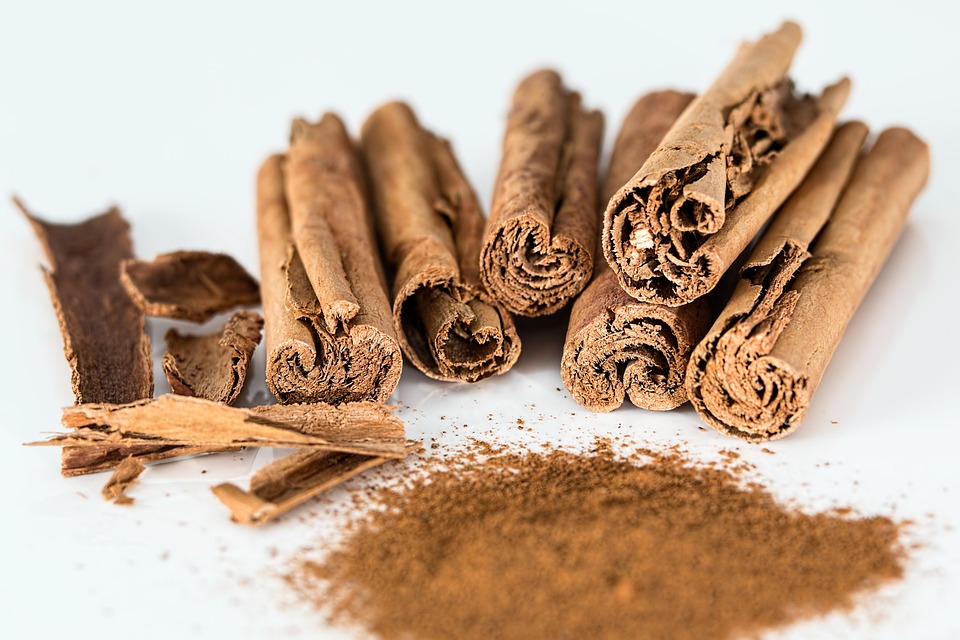
Whole spices are spices in their natural, unprocessed form. Examples include whole peppercorns, cardamom pods, cinnamon sticks, and nutmeg. Because they have not been ground, whole spices retain their volatile oils and aromas, making them more potent and longer-lasting than their ground counterparts.
Benefits of Whole Spices
One of the main advantages of using whole spices is their shelf life. Whole spices tend to last much longer than ground spices, as the oils that carry their flavors are better preserved within the intact structure of the spice. This means you can store whole spices for months or even years without significant loss of flavor.
Another benefit is the ability to control the texture and intensity of spices in your dishes. Whole spices can be toasted, crushed, or ground fresh, allowing you to extract maximum flavor and customize the spice profile to your preference. This versatility is particularly advantageous in dishes that require a more nuanced spice profile.
Challenges of Whole Spices
While whole spices offer superior flavor and longevity, they can be less convenient to use. They often require additional preparation, such as grinding or toasting, which can be time-consuming. Additionally, whole spices may not be ideal for every dish, especially those requiring a fine, even distribution of spices, such as baked goods or delicate sauces.
Exploring Ground Spices
Ground spices are whole spices that have been milled or crushed into a fine powder. Examples include ground cinnamon, cumin powder, and turmeric. Ground spices are widely used due to their convenience and ease of use in cooking and baking.
Benefits of Ground Spices
The primary advantage of ground spices is their convenience. They are ready to use straight from the container, requiring no additional preparation. This makes them ideal for quick cooking and for dishes that require a uniform distribution of spices.
Ground spices are also more readily available in grocery stores and are often sold at a lower price point than whole spices. This accessibility makes them an appealing choice for home cooks and professional chefs alike.
Challenges of Ground Spices
One of the main drawbacks of ground spices is their shorter shelf life. Once spices are ground, the volatile oils that carry their flavors begin to dissipate, leading to a gradual loss of potency over time. To maximize their lifespan, ground spices should be stored in an airtight container in a cool, dark place.
Additionally, ground spices can sometimes contain additives or fillers, which can dilute their flavor. It’s important to choose high-quality ground spices from reputable sources to ensure the best flavor and purity.
Whole vs Ground: Flavor Profile
The choice between whole and ground spices can significantly impact the flavor profile of your dish. Whole spices offer a more intense, aromatic experience, as they release their flavors gradually during cooking. This makes them ideal for slow-cooked dishes like stews, curries, and soups, where the spices have time to infuse the dish with complex flavors.
Ground spices, on the other hand, provide a more immediate burst of flavor. They are perfect for dishes that require quick preparation or a strong, even spice presence, such as rubs, marinades, and baked goods. The finer texture of ground spices allows them to blend seamlessly with other ingredients, creating a harmonious flavor profile.
Tips for Using Whole and Ground Spices
Maximizing Whole Spices
- Toast for Extra Flavor: Toasting whole spices in a dry pan can enhance their flavor and aroma. This simple step releases the essential oils and intensifies their taste, making your dishes even more flavorful.
- Grind Fresh: Invest in a good spice grinder or mortar and pestle to grind whole spices fresh as needed. This ensures you get the maximum flavor and aroma from your spices.
- Infusion: Use whole spices to infuse oils, broths, and sauces. Simply add them to the liquid and allow them to steep, then strain them out before serving.
Optimizing Ground Spices
- Store Properly: To maintain the potency of ground spices, store them in airtight containers away from light and heat. Consider buying smaller quantities and replenishing your supply more frequently.
- Layer Flavors: Use ground spices to build layers of flavor by adding them at different stages of cooking. This technique can enhance the complexity of your dishes.
- Combine with Whole Spices: Experiment with combining ground and whole spices for a dynamic flavor profile. For example, use whole cumin seeds for a subtle background note and ground cumin for a more pronounced flavor.
Conclusion
The choice between whole and ground spices ultimately depends on your culinary goals, the specific dish you’re preparing, and your personal preference for flavor intensity and convenience. Whole spices offer unmatched potency and longevity, making them a valuable addition to any spice collection. Ground spices, with their ease of use, provide a quick and effective way to enhance your dishes.
By understanding the unique characteristics of each form and using them strategically, you can unlock the full spectrum of flavors that spices have to offer. Whether you’re crafting a complex curry or a simple baked treat, the right choice of spices can make all the difference, captivating the senses and leaving a lasting impression.
In the end, the true magic of spices lies in their ability to transform ordinary ingredients into extraordinary culinary experiences. So, embrace the diversity of whole and ground spices, and let them inspire your next gastronomic adventure.
#ChatGPT assisted in the creation of this article.


