Spices have always held a prominent place in human history, both as a culinary delight and as a factor in global trade and cultural exchange. Among these aromatic treasures, cloves stand out not only for their distinctive flavor but also for their rich historical journey. Cloves, with their warm, sweet, and slightly pungent taste, have been cherished across civilizations for centuries. This article delves into the captivating saga of cloves, exploring their origins, historical significance, and enduring legacy in the world of spices.
Origins of Cloves
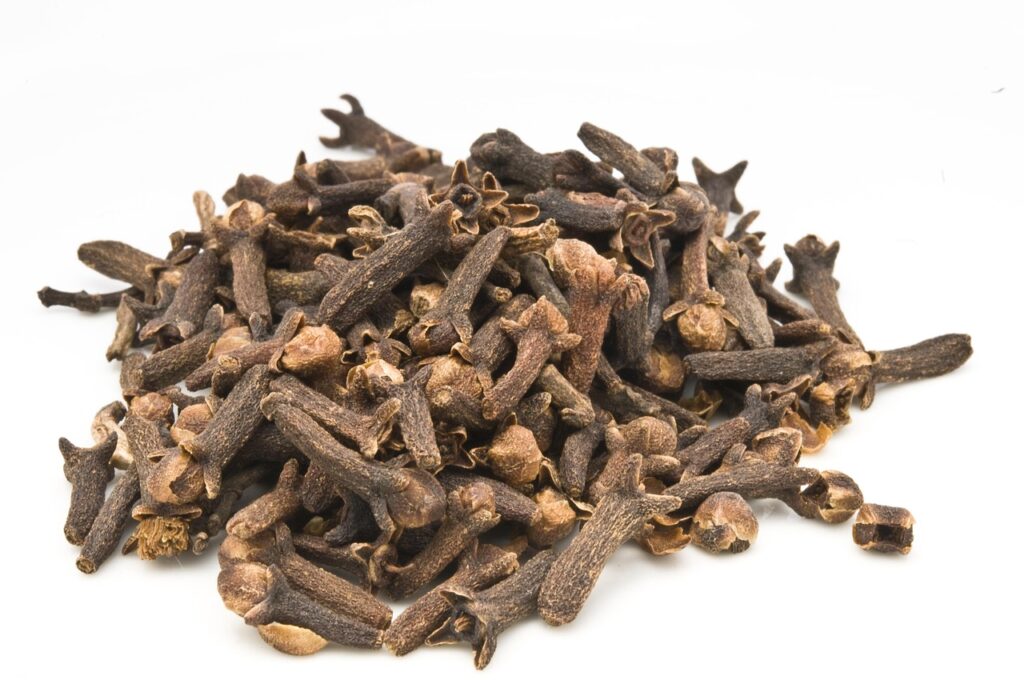
Cloves are the dried flower buds of the clove tree, scientifically known as Syzygium aromaticum. Native to the Maluku Islands, or the Spice Islands, in Indonesia, cloves have been cultivated and valued for thousands of years. The archipelago’s fertile volcanic soil and tropical climate provided the perfect conditions for clove cultivation, making it a prized possession across the ancient world.
Cloves in Ancient Civilizations
Cloves in Ancient China
Cloves were known in China as early as the Han Dynasty (206 BCE – 220 CE). Historical records indicate that Chinese courtiers chewed cloves to freshen their breath before addressing the emperor. The spice was highly valued and used in traditional Chinese medicine for its purported health benefits, including its ability to aid digestion and alleviate pain.
Cloves in Ancient Rome
In the Roman Empire, cloves were a luxury item, imported from the East along the Silk Road. They were used to flavor food and wine, as well as in perfumes and incense. The Roman elite considered cloves a symbol of wealth and status, often paying exorbitant prices for the spice.
The Spice Trade and the Age of Exploration
The allure of cloves and other spices played a crucial role in shaping the course of history, particularly during the Age of Exploration. European nations, eager to bypass middlemen and gain direct access to spice sources, embarked on ambitious voyages that led to the discovery of new lands and sea routes.
Portuguese and Dutch Dominance
In the 16th century, the Portuguese were the first Europeans to reach the Maluku Islands, establishing a monopoly over the clove trade. They controlled the spice trade for nearly a century until the Dutch ousted them in the 17th century. The Dutch East India Company (VOC) went to great lengths to secure their monopoly, including the destruction of clove trees on other islands to keep prices high.
Cloves in the New World
Cloves eventually made their way to the New World, where they were introduced to new cuisines and cultures. They became an integral part of Caribbean and Latin American culinary traditions, adding depth and warmth to dishes and beverages.
Cultural and Medicinal Significance
Beyond their culinary uses, cloves have held cultural and medicinal significance across various societies. In Ayurvedic and traditional Chinese medicine, cloves have been used to treat a range of ailments, from toothaches to respiratory infections. Their antiseptic and anesthetic properties continue to be recognized in modern herbal medicine.
Cloves in Modern Cuisine
Today, cloves are a staple in global cuisine. They are used in both sweet and savory dishes, from spiced breads and desserts to curries and marinades. In Western cuisine, cloves are often associated with holiday recipes, adding warmth and spice to mulled wines, pies, and roasted meats. In Asian and Middle Eastern cuisines, cloves are a key ingredient in spice blends such as garam masala and baharat, enhancing the flavor profile of diverse dishes.
Sustainability and the Future of Clove Production
As the demand for cloves continues to grow, sustainability in clove production has become increasingly important. Efforts are being made to ensure that clove cultivation remains environmentally and economically viable, benefiting both producers and consumers. Initiatives focused on sustainable farming practices and fair trade are helping preserve the heritage and future of this precious spice.
Conclusion
The journey of cloves from the Spice Islands to global kitchens is a testament to the spice’s enduring appeal and historical significance. As we continue to savor the rich flavors of cloves, it’s essential to remember their profound impact on world history, trade, and culture. By appreciating the past and striving for a sustainable future, we can ensure that cloves remain a cherished element of culinary traditions worldwide.
#ChatGPT assisted in the creation of this article.


