
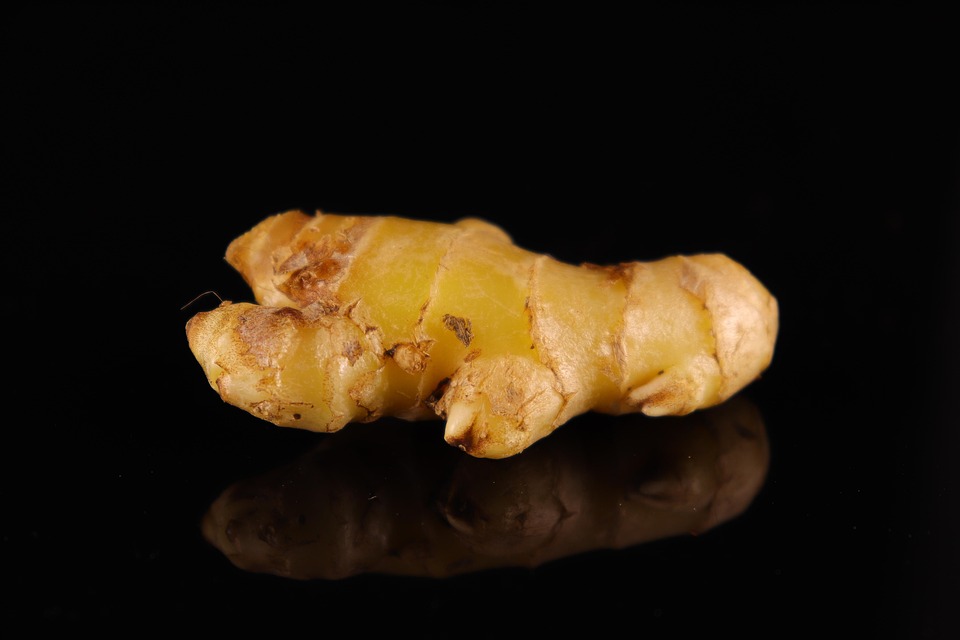
Garam Masala, a quintessential spice blend, is the heart of Indian cuisine. Translating to “warm spice mixture,” it is a combination of aromatic spices that elevate dishes with rich, complex flavors. The beauty of Garam Masala lies in its versatility and the personalized touch it can bring to each dish. While you can buy pre-made versions at the store, mastering the art of homemade Garam Masala allows you to tailor the blend to your taste and the specific dishes you love.
The Origins and Evolution of Garam Masala
The origins of Garam Masala are deeply rooted in South Asian culinary traditions. Historically, these spice blends were created to balance flavors and aid digestion, each household and region having its unique twist. Over time, Garam Masala has evolved, adapting to local ingredients and palates, yet its core purpose remains—to enhance the depth and flavor of dishes.
Understanding the Core Ingredients
To master Garam Masala, it’s essential to understand its core components. While variations abound, a classic blend typically includes:
– **Coriander Seeds**: Offering a mild, nutty flavor, coriander seeds form the base of many Garam Masala recipes.
– **Cumin Seeds**: Known for their earthy aroma, cumin seeds add a warm, slightly bitter taste.
– **Cardamom**: Both green and black cardamom are used, contributing sweet and smoky notes, respectively.
– **Cloves**: These add a pungent, sweet-spicy flavor that enhances the warmth of the blend.
– **Cinnamon**: Bringing a sweet, woody aroma, cinnamon is a staple in Garam Masala.
– **Black Pepper**: Adding heat and depth, black peppercorns are crucial for the warming effect.
– **Bay Leaves**: These contribute a subtle, herbal flavor that rounds out the blend.
Additional Ingredients for Personalization
Beyond the core ingredients, you can experiment with additional spices to make your Garam Masala unique:
– **Nutmeg**: A pinch of grated nutmeg adds a sweet, nutty flavor.
– **Mace**: The outer covering of nutmeg seeds, mace contributes a milder, sweeter aroma.
– **Star Anise**: This spice imparts a licorice-like flavor, adding complexity.
– **Fennel Seeds**: Offering a sweet, aniseed flavor, fennel seeds can add freshness to the blend.
– **Chili**: For those who prefer a spicier kick, dried red chili can be included.
Step-by-Step Guide to Making Garam Masala
Creating your own Garam Masala is a rewarding process that involves toasting, grinding, and blending spices to perfection. Here’s a step-by-step guide to help you master this art:
Step 1: Gather Your Ingredients
Assemble the core ingredients and any additional spices you wish to include. For a basic recipe, you will need:
– 2 tablespoons coriander seeds
– 1 tablespoon cumin seeds
– 1 teaspoon black peppercorns
– 1 teaspoon cloves
– 1-2 cinnamon sticks
– 4-5 green cardamom pods
– 2 black cardamom pods
– 2 bay leaves
Step 2: Toast the Spices
Toasting spices releases their essential oils and enhances their flavors. In a dry skillet over medium heat, toast each spice separately. Stir continuously to prevent burning, and toast until the spices are aromatic. This usually takes 2-3 minutes per spice. Be careful not to over-toast, as this can lead to bitterness.
Step 3: Cool the Spices
Once toasted, spread the spices on a plate to cool. It is crucial to let them cool completely before grinding to ensure an even texture and to prevent clumping.
Step 4: Grind the Spices
Using a spice grinder or mortar and pestle, grind the cooled spices into a fine powder. If using a grinder, pulse in short bursts to avoid overheating the spices. If using a mortar and pestle, grind in small batches to achieve the desired consistency.
Step 5: Blend and Store
Combine the ground spices in a bowl, mixing thoroughly to ensure an even distribution of flavors. Transfer the blend to an airtight container and store in a cool, dark place. Homemade Garam Masala is best used within 3-4 months to retain its freshness and potency.
Using Garam Masala in Your Cooking
Now that you’ve crafted your own Garam Masala, it’s time to explore its culinary potential. Here are some ways to incorporate it into your cooking:
– **Curries**: Add Garam Masala towards the end of cooking to preserve its aromatic qualities.
– **Marinades**: Use it as a spice rub for meats or mix with yogurt for a flavorful marinade.
– **Soups and Stews**: A pinch of Garam Masala can elevate the flavor of soups and stews.
– **Rice Dishes**: Sprinkle over rice dishes like biryani or pilaf for added depth.
– **Vegetables**: Toss roasted or sautéed vegetables with Garam Masala for a flavorful twist.
Experimenting with Your Blend
Part of mastering Garam Masala is experimenting with proportions and ingredients to suit your taste. Try adjusting the ratios of spices or incorporating new ones based on your preferences. Perhaps you prefer a spicier blend with more black pepper, or a sweeter mix with additional cinnamon. The possibilities are endless, and each experiment brings you closer to your perfect blend.
The Benefits of Homemade Garam Masala
Crafting your own Garam Masala offers several benefits:
– **Customization**: Tailor the blend to match your palate and the dishes you frequently cook.
– **Freshness**: Homemade blends are fresher and more aromatic than store-bought versions.
– **Quality Control**: You control the quality of the ingredients, ensuring a pure, additive-free blend.
– **Culinary Creativity**: Experimenting with your blend encourages creativity and a deeper understanding of spices.
Conclusion
Mastering the art of homemade Garam Masala is a journey of exploration and creativity. By understanding the core ingredients, experimenting with flavors, and incorporating your blend into various dishes, you not only enhance your culinary skills but also deepen your appreciation for the nuanced world of spices. Whether you’re a seasoned chef or a home cook, creating your own Garam Masala is a rewarding endeavor that will transform your cooking and elevate every dish it touches. Embrace the warmth and complexity of this classic blend, and let it inspire your culinary creations.
#ChatGPT assisted in the creation of this article.


