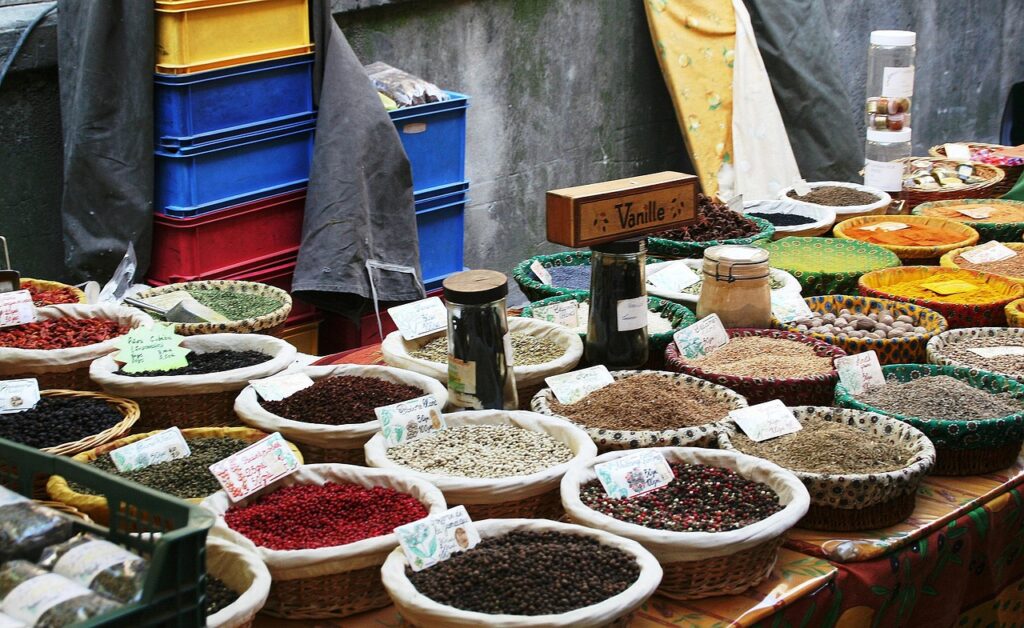
The rich and intricate tapestry of Arab culture is woven with many threads, but few are as vibrant and aromatic as the legacy of spices. For centuries, spices have played a pivotal role not only in Arab cuisine but also in its trade, medicine, and cultural practices. From bustling souks to serene kitchens, the presence of spices is ubiquitous, offering a sensory journey through the annals of history. This article delves into the historical significance, cultural impact, and culinary artistry of spices in Arab culture, highlighting their enduring legacy in shaping a distinctly flavorful heritage.
The Historical Significance of Spices in Arab Trade
The Arab world has long been a central hub in the global spice trade, with its strategic geographical position bridging the East and West. As early as the 7th century, Arab traders played a crucial role in the exchange of spices, facilitating the movement of precious goods such as cinnamon, cardamom, and saffron across continents. The legendary Silk Road and the Incense Routes are testaments to the vitality of these trade networks, with spices often serving as valuable currency.
Spices were not merely commodities for trade; they were symbols of wealth and power. The Arab traders’ monopoly over the spice trade allowed them to wield significant influence over the markets of Europe and Asia. This economic prowess contributed to the prosperity of cities such as Baghdad, Damascus, and Cairo, which became thriving centers of commerce and culture. The legacy of this trade is still evident today, as the Arab world continues to be a key player in the global spice market.
Cultural and Ritualistic Roles of Spices
In Arab culture, spices have transcended their culinary applications to become integral components of cultural rituals and traditions. Spices are often used in religious ceremonies, symbolizing purity and offering protection against malevolent forces. For instance, frankincense and myrrh have long been used in spiritual practices, their aromatic smoke believed to purify the soul and connect the earthly with the divine.
Furthermore, spices have been woven into the fabric of Arab social customs. The art of hospitality, a cornerstone of Arab culture, frequently involves the use of spices to prepare lavish meals for guests. The sharing of spiced coffee or tea, often infused with cardamom, is a gesture of friendship and warmth, reflecting the deep-rooted tradition of generosity and communal bonding.
Spices in Traditional Arab Medicine
The medicinal properties of spices have been recognized and utilized in Arab culture for centuries. Traditional Arab medicine, influenced by ancient Greek and Roman practices, placed great emphasis on the healing powers of spices. Renowned scholars like Avicenna and Al-Razi documented the therapeutic uses of various spices in their medical treatises, laying the foundation for modern herbal medicine.
Spices such as turmeric, cumin, and ginger were often prescribed for their anti-inflammatory and digestive benefits. Saffron, known for its mood-enhancing properties, was used to treat melancholia and depression. The holistic approach to health in Arab culture integrated spices into dietary practices, promoting wellness and longevity through flavorful means.
The Culinary Artistry of Spices in Arab Cuisine
Arab cuisine is renowned for its bold flavors and aromatic allure, largely attributed to the masterful use of spices. Each region within the Arab world boasts its own unique blend of spices, reflecting the diverse landscapes and cultural influences that shape the culinary identity of the Arab people.
A quintessential example of this artistry is the spice blend known as baharat. This aromatic mixture, comprising black pepper, cinnamon, cloves, cumin, cardamom, coriander, nutmeg, and paprika, serves as the backbone of many traditional dishes. Whether used to season meats, rice, or stews, baharat imparts a depth of flavor that is both complex and harmonious.
Another iconic spice blend is za’atar, a combination of thyme, sumac, sesame seeds, and salt. Often sprinkled over flatbreads or used as a seasoning for meats and vegetables, za’atar embodies the earthiness and vibrancy of the Arab landscape. Its tangy and nutty profile is a testament to the ingenuity and resourcefulness of Arab cooks.
Spices as a Symbol of Identity and Heritage
For many Arabs, spices are more than just ingredients; they are emblematic of cultural identity and heritage. The act of passing down spice blends and recipes through generations is a cherished tradition, preserving the flavors and stories of ancestors. In this way, spices serve as a bridge between the past and present, connecting individuals to their roots and fostering a sense of belonging.
The communal nature of spice preparation and consumption further reinforces this sense of identity. Family gatherings, celebrations, and festivals often revolve around the preparation of spice-infused dishes, creating shared experiences that strengthen familial and communal bonds. In an ever-changing world, the continuity of these culinary traditions anchors individuals to their cultural heritage, providing a sense of stability and continuity.
Conclusion
The legacy of spices in Arab culture is a testament to the enduring power of flavor in shaping history, identity, and tradition. From their role in ancient trade routes to their integral place in modern culinary practices, spices have left an indelible mark on Arab society. They have transcended their utilitarian purposes to become symbols of hospitality, wellness, and cultural pride.
As we savor the richly spiced dishes of Arab cuisine, we partake in a centuries-old tradition that celebrates the artistry and ingenuity of a vibrant culture. In doing so, we honor the flavorful legacy of spices, a legacy that continues to enrich the lives of those who cherish it.
#ChatGPT assisted in the creation of this article.


