
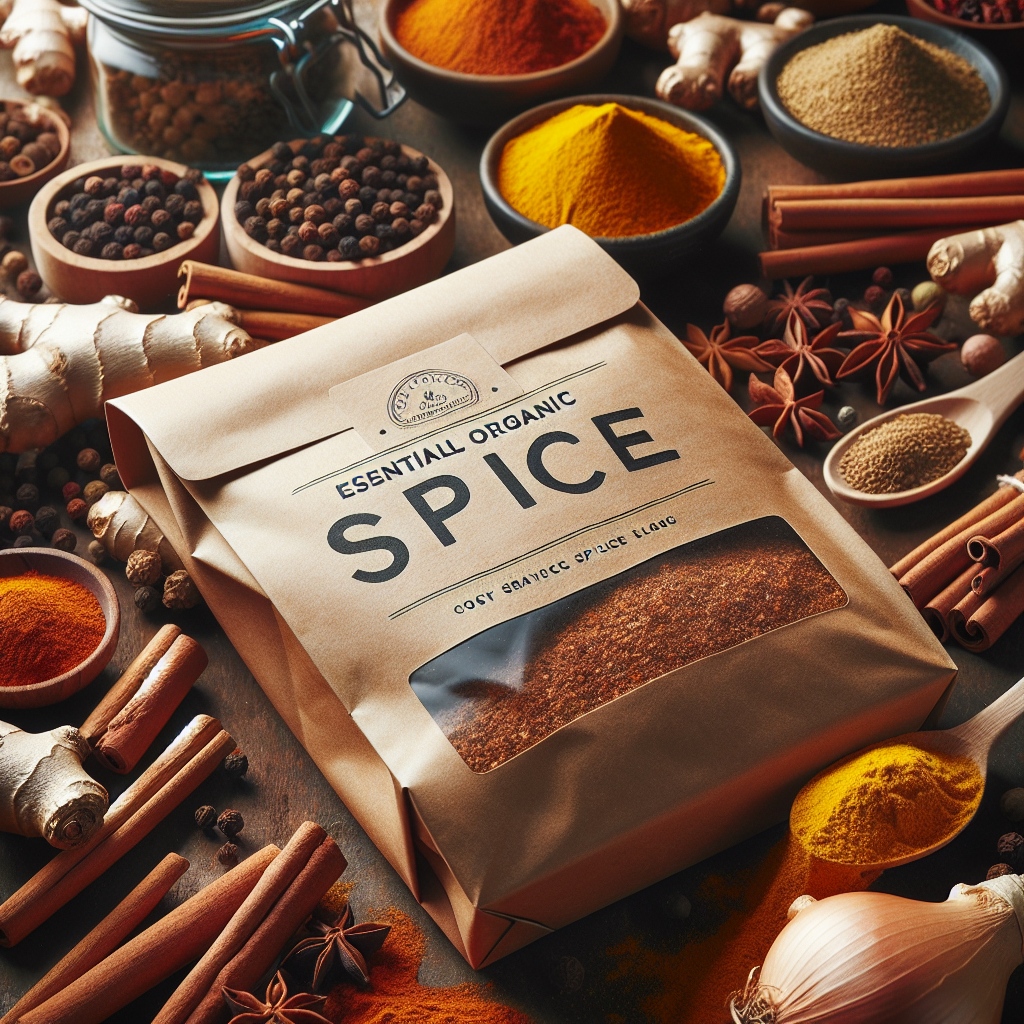
The world of spices is vast and varied, packed with vibrant flavors and rich aromas that can elevate any dish. Choosing organic spices not only ensures a commitment to sustainable agriculture but also often results in a more potent and pure product. However, navigating the spice market can be daunting. This guide aims to simplify the process, highlighting key considerations and tips for purchasing top-quality organic spices.
Understanding Organic Spices
Organic spices are cultivated without the use of synthetic fertilizers, pesticides, or genetically modified organisms (GMOs). This not only benefits the environment by promoting biodiversity and reducing pollution but also often results in a cleaner, more flavorful spice. When you opt for organic, you support farming practices that are better for the planet and potentially healthier for you.
Why Choose Organic?
The choice to go organic is a commitment to health, flavor, and the environment. Organic spices are often fresher and more aromatic, providing a superior culinary experience. Additionally, they’re free from harmful chemicals, which can be a concern with conventional spices. Supporting organic farmers encourages sustainable practices, contributing to ecological balance and biodiversity.
Identifying High-Quality Organic Spices
Certification
Always look for certification labels when purchasing organic spices. In the United States, the USDA Organic seal is a reliable indicator that the spice meets strict organic standards. Other reputable certifications include EU Organic, Canada Organic, and the Soil Association Organic Standard. These certifications ensure the spices are genuinely organic and adhere to rigorous quality controls.
Color and Aroma
Quality spices should exhibit vibrant colors and a strong, pleasant aroma. These characteristics suggest freshness and potency. Dull colors or weak scents can indicate that the spice is old or has been improperly stored, leading to a diminished flavor profile.
Texture and Appearance
Inspect spices for consistency in texture and appearance. For example, whole spices should be unbroken and uniform in size, while ground spices should be fine and evenly textured. Inconsistent or crumbly spices may point to poor quality or deterioration.
Where to Buy Organic Spices
Specialty Stores
Specialty spice stores often offer a wider selection of high-quality organic spices. These stores typically have knowledgeable staff who can guide you in choosing the best spices for your needs. They often stock fresher products due to higher turnover rates.
Online Retailers
Numerous online retailers specialize in organic spices, providing a convenient option for those who may not have access to specialty stores. When purchasing online, check customer reviews and the retailer’s reputation to ensure you’re getting a quality product. Some popular online retailers include Penzeys Spices, Burlap & Barrel, and Mountain Rose Herbs.
Local Markets and Co-ops
Farmers’ markets and food co-operatives can be excellent sources of organic spices. These venues often feature local producers who use sustainable practices, allowing you to support your community while obtaining fresh, high-quality spices.
Storing Organic Spices for Maximum Freshness
Proper Containers
Store spices in airtight containers to protect them from moisture and air, which can degrade their quality. Glass jars with tight-fitting lids are ideal, as they prevent air exposure and are non-reactive. Avoid storing spices in plastic containers, as they can absorb odors and flavors.
Optimal Conditions
Keep spices in a cool, dark place to prevent the degradation of their essential oils. Direct sunlight and heat can cause spices to lose their potency quickly. A pantry or cabinet away from the stove is usually the best location.
Regular Rotation
Spices have a shelf life, and their flavors diminish over time. Regularly rotate your stock, using older spices first and replenishing with fresh supplies as needed. Whole spices generally last longer than ground ones, so consider buying whole and grinding them as needed.
Tips for Buying Organic Spices on a Budget
Buy in Bulk
Purchasing spices in bulk can be more cost-effective, allowing you to buy only the amount you need and reducing packaging waste. Many stores offer bulk options, where you can weigh out the exact quantity you want.
Mix Your Own Blends
Pre-packaged spice blends can be convenient, but they often come at a premium price. Mixing your own blends not only saves money but also allows you to customize flavors to your liking. Stock up on basic spices and experiment with creating your own unique mixtures.
Prioritize Key Spices
If budget constraints are a concern, prioritize purchasing organic versions of spices you use most frequently or those with the highest potential pesticide residues when conventionally grown. Commonly used spices such as cinnamon, turmeric, and black pepper are good candidates for organic purchases.
Conclusion
Navigating the world of organic spices doesn’t have to be overwhelming. By understanding the importance of certifications, knowing where to purchase, and learning how to store them correctly, you can make informed decisions that enhance your culinary creations while supporting sustainable practices. With the tips in this guide, you’ll be well-equipped to choose top-quality organic spices, ensuring that each meal you prepare is both delicious and mindful of the environment.
#ChatGPT assisted in the creation of this article.


