Spices have been an integral part of human civilization for centuries, used not only for their flavor but also for their medicinal properties. For beginners venturing into the world of cooking, understanding the essential spices can transform ordinary dishes into extraordinary culinary experiences. This guide will introduce you to must-have spices that will elevate your cooking and help you create flavorful dishes with ease.
The Importance of Spices
Spices are the backbone of culinary arts, offering depth, complexity, and richness to dishes. They can enhance natural flavors, add warmth, or provide a burst of heat. Moreover, spices play a crucial role in various cultural cuisines, each bringing its own unique characteristics to the table. Beyond flavor, many spices also offer health benefits, from anti-inflammatory properties to aiding digestion.
Must-Have Spices for Beginners
Black Pepper
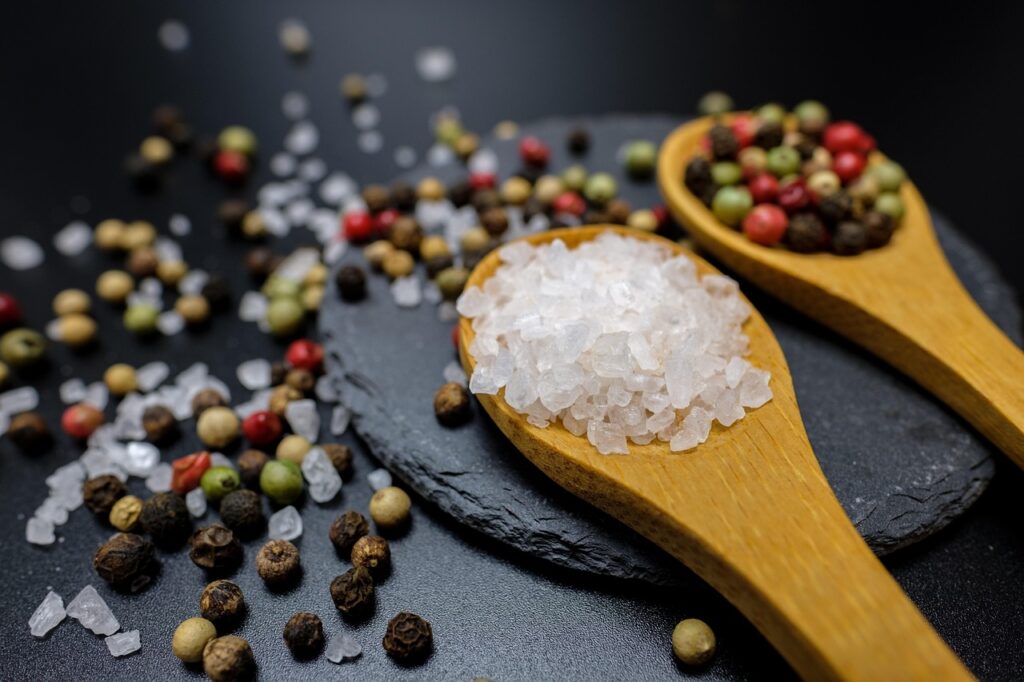
Often called the “king of spices,” black pepper is indispensable in both home kitchens and professional settings. Its sharp, pungent flavor enhances almost any savory dish. Ground black pepper is versatile, used in everything from seasoning meats to adding a final touch to soups and stews. Freshly ground pepper can bring a more vibrant flavor compared to pre-ground varieties.
Salt
While technically a mineral, salt is essential in the spice world for its ability to enhance flavors. It’s crucial for balancing sweetness, reducing bitterness, and preserving foods. From kosher and sea salt to Himalayan pink salt, each type brings a slight variation in flavor and texture. Understanding the appropriate use of salt is foundational to successful cooking.
Cinnamon
Cinnamon is a warm, sweet spice derived from the inner bark of trees from the genus Cinnamomum. It’s commonly used in baking, but it also has a place in savory dishes, especially in Middle Eastern and Indian cuisines. Cinnamon adds a comforting flavor to oatmeal, coffee, and desserts, while also being a key ingredient in spice blends like garam masala.
Cumin
Cumin seeds have a warm, earthy flavor with a hint of citrus. Ground cumin is a staple in Indian, Middle Eastern, and Mexican cuisines. It’s often used in spice blends, such as curry powder and taco seasoning, and it pairs well with chili, meats, and roasted vegetables. Its distinct taste can transform a dish, making it a must-have in any spice collection.
Turmeric
Known for its vibrant yellow color, turmeric is a staple in Indian cooking. It has a warm, bitter taste and is often used in curries, rice dishes, and soups. Beyond its culinary uses, turmeric is celebrated for its health benefits, particularly its anti-inflammatory and antioxidant properties. A small amount can add color and depth to a dish without overpowering other flavors.
Paprika
Derived from ground bell peppers or chili peppers, paprika ranges from sweet to hot. It’s a key ingredient in Hungarian and Spanish cuisines and is often used to add color and a mild peppery flavor to dishes. Sprinkle it on deviled eggs, roasted potatoes, or use it in spice rubs for meats to enhance flavor and visual appeal.
Ginger
Ginger, with its spicy, aromatic flavor, is a versatile spice used in both sweet and savory dishes. Fresh ginger adds a zesty kick to stir-fries, soups, and marinades, while ground ginger is often used in baking. It’s a staple in Asian cuisines and is known for its digestive benefits and ability to combat nausea.
Garlic Powder
While fresh garlic is often preferred for its robust flavor, garlic powder offers convenience and a milder taste. It’s perfect for seasoning meats, adding to spice blends, or incorporating into dry rubs. Garlic powder disperses evenly in liquids, making it ideal for soups and sauces.
Building a Spice Collection
When starting your spice collection, it’s important to consider storage and shelf life. Spices should be stored in a cool, dark place, away from direct sunlight and moisture. Airtight containers can help preserve their potency and flavor. While whole spices tend to last longer than ground ones, it’s advisable to purchase spices in quantities that you can use within six months to a year for optimal freshness.
Experimenting with Spice Blends
Once you’re comfortable with individual spices, experimenting with spice blends can open new culinary doors. Blends like curry powder, garam masala, and herbes de Provence offer complex flavor profiles and are often a convenient way to add depth to dishes. You can also create your own blends tailored to your taste preferences, allowing for creativity and customization in your cooking.
Using Spices in Cooking
The key to using spices effectively is understanding how they interact with other ingredients. Start with small amounts, taste as you go, and adjust to your preference. Some spices, like cumin and coriander, benefit from toasting to enhance their flavor, while others, like basil and parsley, are best added towards the end of cooking to preserve their freshness.
Here are a few tips for using spices in cooking:
- Balance is crucial. Use spices to complement and enhance the natural flavors of your ingredients rather than overpower them.
- Layer flavors by adding spices at different stages of cooking for complexity and depth.
- Consider the cuisine. Different spices are characteristic of different culinary traditions, so using them appropriately can bring authenticity to your dishes.
Health Benefits of Spices
Many spices are not only flavor enhancers but also offer health benefits. For example, ginger is known for its anti-inflammatory properties and ability to soothe digestive issues. Turmeric contains curcumin, which has powerful antioxidant and anti-inflammatory effects. Cinnamon can help regulate blood sugar, while garlic is renowned for its heart health benefits. Incorporating a variety of spices into your diet can contribute to overall well-being.
Conclusion
Embarking on a culinary journey with spices can be an exciting and rewarding experience. As a beginner, starting with a well-rounded collection of essential spices can enhance your cooking and expand your flavor horizons. Remember, the world of spices is vast, and experimentation is key. As you become more comfortable, don’t hesitate to explore new spices and create your own signature blends. With time and practice, you’ll develop a deeper appreciation for the art of seasoning and the transformative power of spices in cooking.
#ChatGPT assisted in the creation of this article.


