
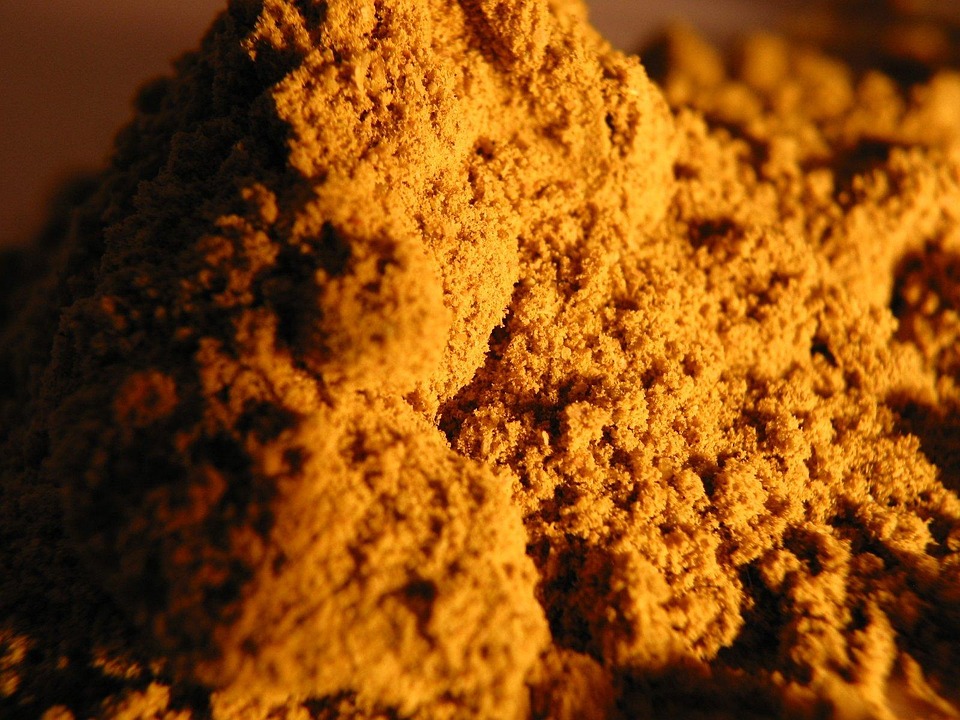
Curry powder is a versatile and aromatic spice blend that forms the backbone of many delicious dishes worldwide. Although readily available in supermarkets, mastering the art of making your own homemade curry powder allows you to tailor the flavors to your liking, ensuring freshness and authenticity in every dish. In this article, we’ll explore the origins of curry powder, the essential spices required, and guide you through a step-by-step process to create your own signature blend.
The Origins of Curry Powder
The word “curry” is derived from the Tamil word “kari,” meaning sauce or relish for rice. However, curry powder as we know it today is a British invention, formulated to mimic the complex flavors of Indian cuisine. It was created during the British colonial period as a convenient way to bring the exotic tastes of India back to the Western world. Traditional Indian cooking rarely uses a single pre-mixed curry powder, opting instead for a variety of spices combined freshly for each dish.
Understanding the Basics
Before diving into crafting your own curry powder, it’s essential to understand the basic components. A well-balanced curry powder typically includes a mix of earthy, sweet, and spicy notes. The primary spices usually consist of turmeric, coriander, cumin, fenugreek, and chili powder. Each of these spices plays a crucial role in the overall flavor profile:
Turmeric
Known for its vibrant yellow color and earthy flavor, turmeric is a staple in many spice blends. It’s also revered for its anti-inflammatory properties.
Coriander
Coriander seeds offer a sweet, citrusy flavor that balances the warmth of other spices.
Cumin
Cumin seeds contribute a warm, nutty flavor with a hint of pepper, adding depth to the blend.
Fenugreek
Fenugreek adds a subtly sweet and slightly bitter flavor, enhancing the savory elements of the mix.
Chili Powder
This provides the heat in the curry powder, and its intensity can be adjusted according to personal preference.
Creating Your Own Curry Powder
Making homemade curry powder is a rewarding process that allows you to experiment with various spice combinations. Here’s a simple guide to get you started:
Ingredients
- 2 tablespoons ground turmeric
- 1 tablespoon ground coriander
- 1 tablespoon ground cumin
- 1 teaspoon ground fenugreek
- 1 teaspoon chili powder (adjust to taste)
- 1 teaspoon ground ginger
- 1 teaspoon ground mustard seeds
- 1/2 teaspoon ground black pepper
- 1/2 teaspoon ground cinnamon
- 1/4 teaspoon ground cloves
Instructions
- Gather Your Ingredients: Ensure you have all the necessary spices on hand. Using whole spices instead of pre-ground spices can enhance the flavor, as freshly ground spices tend to be more aromatic.
- Toast the Spices: If using whole spices, lightly toast them in a dry pan over low heat. This helps release their essential oils, amplifying the flavor. Be careful not to burn them.
- Grind the Spices: Once the spices are toasted and cooled, grind them into a fine powder using a spice grinder or mortar and pestle.
- Mix the Ingredients: Combine the freshly ground spices with the pre-ground ones (such as turmeric and ginger) in a bowl. Mix thoroughly to ensure even distribution.
- Store Your Curry Powder: Transfer the blend into an airtight container and store it in a cool, dark place. Homemade curry powder can last up to six months, but for the best flavor, use it within three months.
Customizing Your Curry Powder
One of the joys of making your own curry powder is the ability to customize it to your taste. Here are some variations you might consider:
Adding Sweetness
For a sweeter blend, consider adding a pinch of ground cardamom or nutmeg. These spices complement the warmth of cinnamon and cloves.
Enhancing Heat
If you prefer a spicier curry powder, increase the amount of chili powder or add cayenne pepper. Adjust the heat to suit your palate, taking care not to overpower the other flavors.
Boosting Earthiness
For a more robust, earthy flavor, increase the amount of cumin or add ground star anise. These spices add depth and complexity to the blend.
Using Your Homemade Curry Powder
Your freshly made curry powder can be used in a variety of dishes, from traditional curries to soups, stews, and even marinades. Here are a few ideas to get you started:
Classic Curry
Use your curry powder as the base for a classic curry dish. Sauté onions, garlic, and ginger, then add your choice of protein and vegetables. Stir in the curry powder, add coconut milk or broth, and simmer until everything is cooked through.
Flavorful Rice
Add a teaspoon of curry powder to rice as it cooks for a vibrant and aromatic side dish. This works particularly well with basmati or jasmine rice.
Marinades
Combine curry powder with yogurt, lemon juice, and olive oil to create a flavorful marinade for chicken, lamb, or tofu. Marinate for at least an hour before grilling or roasting for a delicious meal.
Conclusion
Mastering the art of homemade curry powder not only elevates your culinary creations but also provides an opportunity to explore the rich world of spices. By understanding the balance of flavors and experimenting with different combinations, you can create a blend that reflects your personal taste and enhances any dish. Whether you’re a seasoned chef or a home cook, crafting your own curry powder is a rewarding endeavor that brings the vibrant flavors of the world to your kitchen.
#ChatGPT assisted in the creation of this article.


