Spices have been an integral part of culinary traditions across the globe for centuries. They are celebrated for their ability to transform simple ingredients into extraordinary dishes, adding depth, warmth, and complexity to flavors. Among the vast array of spices available, aromatic spices stand out for their unique ability to elevate the sensory experience of food. These spices release captivating fragrances that not only entice the palate but also engage the senses of smell and sight, making every meal an unforgettable experience.
The Science Behind Aromatic Spices
Aromatic spices derive their distinctive scents from essential oils that are concentrated within them. These oils are composed of volatile compounds that are released when the spices are heated or ground. The interaction of these compounds with other ingredients creates a symphony of flavors that can vary greatly depending on the cooking method and the combination of spices used. Understanding how to use these spices effectively can unlock new dimensions in cooking and baking.
Exploring the Top Aromatic Spices
In this article, we will delve into some of the most beloved aromatic spices, exploring their origins, flavor profiles, and culinary applications. Whether you are a seasoned chef or a home cook, incorporating these spices into your repertoire can elevate your dishes to new heights.
Cinnamon
Cinnamon is one of the most recognizable aromatic spices, known for its sweet and warm scent that evokes comfort and nostalgia. Derived from the inner bark of trees belonging to the Cinnamomum family, this spice is available in two main varieties: Ceylon and Cassia. Ceylon cinnamon, often referred to as “true cinnamon,” is prized for its delicate flavor, while Cassia cinnamon is more robust and intense.
Cinnamon is incredibly versatile, finding its way into both sweet and savory dishes. It is a staple in baking, enhancing everything from apple pie to cinnamon rolls. In savory applications, cinnamon adds depth to curries, stews, and spice blends like garam masala and Chinese five-spice powder.
Cardamom
Cardamom, known as the “Queen of Spices,” is cherished for its complex flavor profile that combines citrusy, floral, and herbal notes. Native to India and Sri Lanka, cardamom is available in two main types: green and black. Green cardamom, with its bright and aromatic pods, is more commonly used in sweet dishes, while black cardamom, with its smoky flavor, is favored in savory applications.
In the culinary world, cardamom is a key ingredient in Indian and Middle Eastern cuisines. It is used to flavor desserts like rice pudding and baklava, as well as beverages such as chai tea and Turkish coffee. In savory dishes, cardamom enhances rice pilafs, curries, and spice rubs for meats.
Cloves
Cloves are the unopened flower buds of the clove tree, native to the Maluku Islands in Indonesia. These small, nail-shaped buds pack a powerful punch of flavor, characterized by their warm, sweet, and slightly bitter taste. Cloves are a staple in spice blends like garam masala and pumpkin spice, and they are often used to infuse liquids such as mulled wine and spiced cider with their aromatic essence.
In cooking, cloves can be used whole or ground, and they pair beautifully with both sweet and savory dishes. They enhance the flavor of baked goods like gingerbread and fruitcake, while also adding depth to meat dishes, pickles, and marinades.
Nutmeg
Nutmeg is derived from the seed of the nutmeg tree, native to the Spice Islands of Indonesia. It is known for its warm, nutty, and slightly sweet flavor, which is often associated with holiday baking and festive dishes. Nutmeg is typically grated fresh to release its aromatic oils, enhancing the flavor of both sweet and savory dishes.
In the culinary world, nutmeg is a key ingredient in béchamel sauce, eggnog, and spice cakes. It also adds complexity to savory dishes like soups, stews, and pasta sauces. Nutmeg pairs particularly well with creamy ingredients, making it a popular choice for dairy-based desserts and drinks.
Star Anise
Star anise is a star-shaped spice native to China and Vietnam, known for its sweet and licorice-like flavor. It is a key ingredient in Chinese five-spice powder and is often used to flavor broths, soups, and stews in Asian cuisine. The spice is also popular in baking and can enhance the flavor of cookies, cakes, and fruit preserves.
In addition to its culinary uses, star anise is valued for its medicinal properties, such as aiding digestion and alleviating respiratory issues. Its unique flavor and aromatic qualities make it a cherished spice in both cooking and traditional medicine.
Cumin
Cumin is a spice with a warm, earthy aroma and a slightly nutty flavor. It is derived from the seeds of the Cuminum cyminum plant, native to the eastern Mediterranean and South Asia. Cumin is a staple in many culinary traditions, from Indian and Middle Eastern to Mexican and North African cuisines.
In cooking, cumin can be used whole or ground, and it is often toasted to enhance its flavor. It is a key ingredient in spice blends such as curry powder, garam masala, and chili powder. Cumin adds depth to dishes like chili, tacos, grilled meats, and vegetable stews, making it an indispensable spice in many kitchens.
Coriander
Coriander, also known as cilantro or Chinese parsley, is a spice derived from the seeds of the Coriandrum sativum plant. The seeds have a warm, citrusy flavor with hints of sweetness, making them a versatile addition to both sweet and savory dishes. Coriander is a key ingredient in spice blends like curry powder and harissa, and it is often used to flavor pickles, sausages, and baked goods.
In addition to its seeds, the leaves and stems of the coriander plant, known as cilantro, are widely used as a fresh herb in many cuisines. The aromatic nature of coriander makes it a popular choice for enhancing the flavor of soups, stews, and sauces.
Ginger
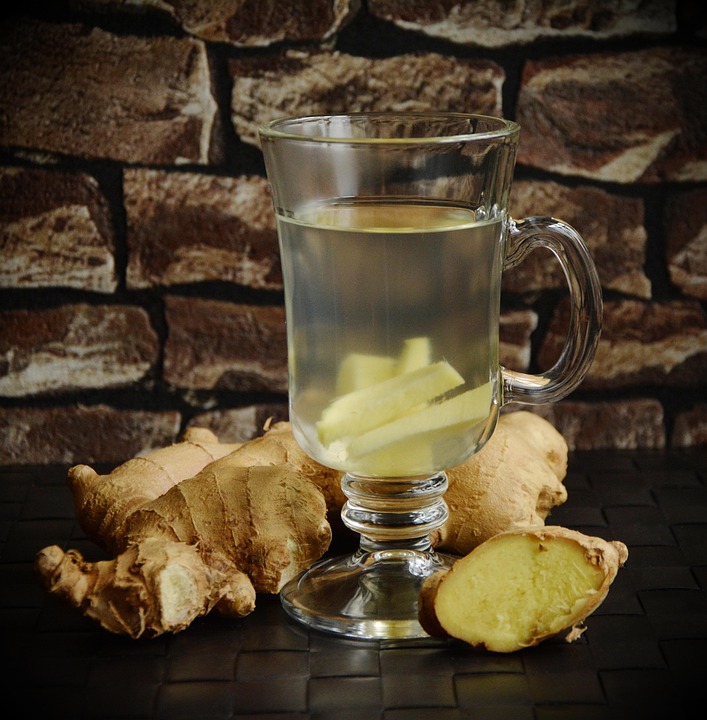
Ginger is a spice derived from the rhizome of the Zingiber officinale plant, native to Southeast Asia. It is known for its pungent, spicy, and slightly sweet flavor, which adds a zesty kick to both food and beverages. Ginger is widely used in Asian cuisine, where it complements the flavors of garlic, soy sauce, and chili peppers.
In addition to its culinary uses, ginger is valued for its medicinal properties, such as reducing inflammation and alleviating nausea. It is a key ingredient in dishes like stir-fries, curries, and marinades, as well as in baked goods like gingerbread and gingersnaps. Ginger tea and ginger ale are also popular beverages that showcase the spice’s aromatic qualities.
How to Store and Use Aromatic Spices
To preserve the flavor and aroma of aromatic spices, it is essential to store them properly. Spices should be kept in a cool, dark, and dry place, away from direct sunlight and moisture. Airtight containers are ideal for preventing the loss of volatile oils that contribute to their distinctive scents.
When using aromatic spices, it is often best to grind them fresh or toast them lightly to release their full flavor potential. Experimenting with different combinations and cooking techniques can reveal new dimensions of flavor and elevate your culinary creations.
Conclusion: Embrace the World of Aromatic Spices
Aromatic spices are a treasure trove of flavors and fragrances that can transform ordinary dishes into extraordinary experiences. By incorporating these spices into your cooking, you can unlock a world of culinary possibilities and delight your senses with every meal. Whether you are exploring new cuisines or perfecting your favorite recipes, aromatic spices offer endless opportunities for creativity and inspiration in the kitchen.
#ChatGPT assisted in the creation of this article.


