Spices have been the cornerstone of culinary arts for centuries, transcending cultural and geographical boundaries to bring flavor, aroma, and depth to dishes worldwide. From the vibrant saffron fields of Iran to the bustling spice bazaars of India, these highly valued culinary treasures have shaped cuisines and inspired chefs and home cooks alike. This essential guide will introduce you to the world of master culinary spices, helping you unlock the full potential of your cooking.
The Role of Spices in Cooking
Spices serve multiple purposes in culinary applications. They enhance flavor, add complexity, and provide an aromatic kick that can elevate a dish from ordinary to extraordinary. Beyond taste, spices have been used for their preservative qualities and potential health benefits, such as anti-inflammatory and antioxidant properties. Understanding how to use spices effectively can transform your cooking and delight the palates of those you serve.
Essential Spices for Every Kitchen
Black Pepper
Often referred to as the “king of spices,” black pepper is a fundamental ingredient in kitchens around the globe. Derived from the dried berries of the Piper nigrum plant, black pepper adds a pungent heat and depth to any dish. It can be used whole, cracked, or ground, and is a perfect complement to both savory and sweet dishes.
Cumin
Cumin is a staple in many cuisines, including Indian, Middle Eastern, and Mexican. Its distinctive earthy, nutty flavor comes from the seeds of the Cuminum cyminum plant. Ground cumin is often used in spice blends such as garam masala and chili powder, while whole seeds can be toasted to release their full aroma.
Coriander
Coriander seeds, from the Coriandrum sativum plant, are known for their citrusy, slightly sweet flavor. They are used both whole and ground in a variety of dishes, from curries to baked goods. The fresh leaves of the plant, known as cilantro, are also a popular herb used for garnishing.
Turmeric
Turmeric, with its vibrant golden hue, is a crucial ingredient in many South Asian dishes. It has an earthy, slightly bitter taste and is known for its anti-inflammatory properties. Turmeric is often used in curry powders and is a key ingredient in dishes like dal and golden milk.
Cardamom
Cardamom is a highly aromatic spice with a complex flavor profile, combining notes of citrus, mint, and spice. It is often used in both sweet and savory dishes, from Indian curries and rice pilafs to Swedish pastries and spiced teas.
Creating Your Spice Collection
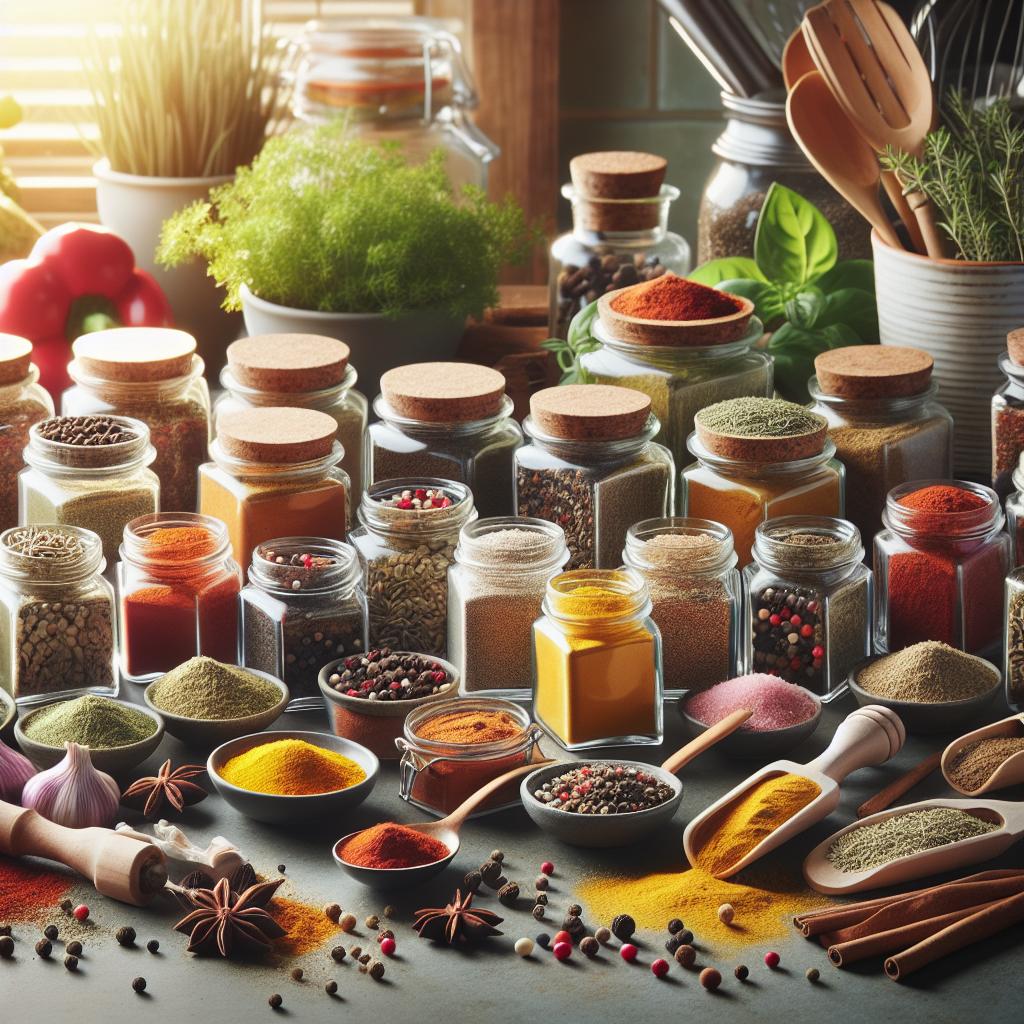
Building a versatile spice collection is an essential step for any cook. Start with a few basic spices and gradually expand your selection as you explore different cuisines and cooking techniques. Here are some tips for curating your spice collection:
Quality over Quantity
Invest in high-quality spices from reputable sources. Freshness is key to maximizing flavor, so look for whole spices when possible and grind them yourself for the best results.
Storage Tips
Store spices in a cool, dark place in airtight containers to preserve their potency. Avoid storing them near heat sources, such as stoves or ovens, as heat can cause spices to lose their flavor more quickly.
Experiment and Explore
Don’t be afraid to experiment with new spices and flavor combinations. Try adding a pinch of cinnamon to a savory dish or a dash of black pepper to a sweet dessert. The possibilities are endless, and experimentation can lead to delightful discoveries.
Spice Blends: A World of Flavor
Spice blends offer a convenient way to add complex flavors to your dishes. Many traditional cuisines have their own signature blends, each with unique characteristics. Here are a few popular spice blends to explore:
Garam Masala
A staple in Indian cooking, garam masala is a warm, aromatic blend of spices, typically including cumin, coriander, cardamom, cinnamon, and cloves. It is used to season a variety of dishes, from curries to roasted meats.
Herbes de Provence
Originating from the Provence region of France, Herbes de Provence is a fragrant blend of dried herbs, such as thyme, rosemary, basil, and lavender. It is commonly used to season grilled meats and roasted vegetables.
Chinese Five Spice
This versatile blend combines sweet, bitter, sour, salty, and pungent flavors. It typically includes star anise, cloves, Chinese cinnamon, Sichuan peppercorns, and fennel seeds. Chinese five spice is used in both savory dishes, such as stir-fries and roasted meats, and sweet applications, like spiced cookies.
Ras el Hanout
A staple in North African cuisine, Ras el Hanout is a complex blend of spices, often including cardamom, cumin, cloves, cinnamon, and nutmeg. It is used to season tagines, couscous, and grilled meats.
Cooking Techniques to Maximize Spice Flavor
The way you use spices in your cooking can greatly impact the final flavor of your dish. Here are some techniques to help you make the most of your spices:
Toasting and Blooming
Toasting whole spices in a dry pan before grinding them can enhance their flavor and aroma. Blooming spices involves cooking them in oil or fat to release their essential oils, which deepens their flavor and helps distribute it evenly throughout the dish.
Layering Flavors
Spices can be added at different stages of cooking to create layers of flavor. Start by adding spices early in the cooking process to infuse the dish with their aroma, then finish with a fresh sprinkle to add a burst of flavor.
Balancing Spice Intensity
Spices can be potent, so it’s important to balance their intensity with other flavors in your dish. Use acidic ingredients like lemon juice or vinegar to brighten flavors, or add sweetness with honey or sugar to counteract bitterness.
Conclusion
Mastering the art of using spices is a rewarding journey that can transform your cooking and inspire creativity in the kitchen. By understanding the essential spices, creating a versatile spice collection, and exploring spice blends and cooking techniques, you can elevate your culinary creations to new heights. So go ahead, embrace the world of spices, and let your taste buds guide you on a flavorful adventure.
#ChatGPT assisted in the creation of this article.


