
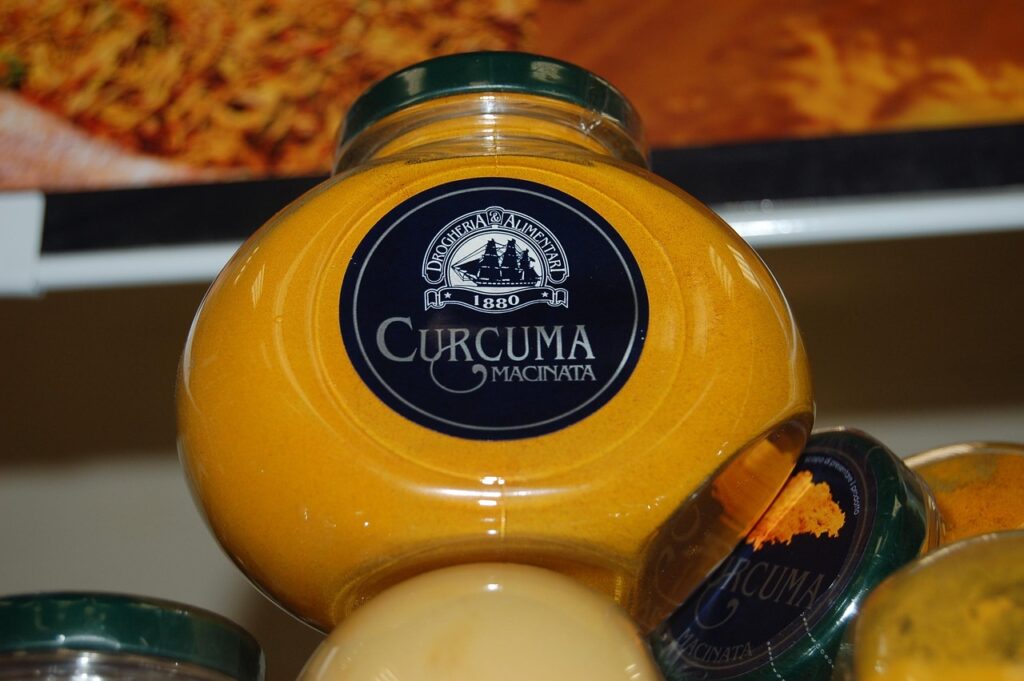
Spices are the soul of culinary art, transforming ordinary ingredients into extraordinary dishes. However, the potency and flavor of spices can diminish over time, especially when not stored properly. For home cooks and professional chefs alike, maintaining the freshness of spice blends is crucial to ensuring that every dish bursts with flavor. In this article, we will explore the best practices for storing spice blends to keep their flavors fresh longer.
Understanding Spice Blends
Spice blends are combinations of various spices and herbs, meticulously crafted to create a unique flavor profile. These blends can be as simple as a three-spice combination or as complex as a curry mix with over a dozen components. Popular spice blends include garam masala, ras el hanout, and Italian seasoning, among many others. The key to maximizing their potential lies in understanding how different spices behave and interact with environmental factors over time.
The Impact of Environmental Factors on Spice Blends
Several environmental factors can affect the quality and longevity of spice blends. Understanding these factors is essential for effective storage:
Light
Exposure to light, particularly sunlight, can lead to the degradation of essential oils in spices, resulting in a loss of flavor and potency. Spices should always be stored in a dark environment to preserve their quality.
Air
Air exposure can oxidize spices, leading to a flat or stale taste. It is important to minimize air contact by using airtight containers for storage.
Humidity
Humidity can cause spices to clump, lose their aroma, and even develop mold. Keeping spices in a dry environment is crucial to maintaining their freshness.
Temperature
Heat can accelerate the deterioration of spices, causing them to lose their vibrant flavors. Spices should be stored in a cool area, away from heat sources like stoves and ovens.
Best Practices for Storing Spice Blends
Now that we understand the factors that affect spice blends, let’s delve into the best practices for storing them effectively:
Choose the Right Containers
The choice of container is critical for preserving the quality of spice blends. Opt for airtight containers made of glass or stainless steel, as these materials do not absorb odors and are impermeable to air. Avoid plastic containers, as they can absorb flavors and odors, compromising the quality of your spices.
Label and Date Your Spices
Proper labeling is essential for maintaining an organized spice collection. Clearly label each container with the name of the spice blend and the date it was purchased or blended. This practice helps you keep track of freshness and ensures that you use spices before they lose their potency.
Store in a Cool, Dark Place
To protect your spice blends from light, heat, and humidity, store them in a cool, dark place. A pantry or a dedicated spice drawer is ideal. Avoid storing spices near the stove, oven, or any heat-producing appliance.
Avoid Bulk Buying
While buying spices in bulk can be economical, it often leads to spices sitting unused for extended periods, resulting in diminished flavors. Purchase spice blends in quantities that you can reasonably use within six months to a year, depending on the frequency of use.
Regularly Check Freshness
Make it a habit to regularly check the freshness of your spice blends. Give them a sniff test; if the aroma is weak or off, it’s time to replace them. A visual inspection can also help identify any signs of mold or clumping.
Extending the Shelf Life of Spice Blends
There are additional measures you can take to extend the shelf life of your spice blends:
Use Whole Spices
Whenever possible, purchase whole spices and grind them yourself just before use. Whole spices retain their essential oils longer than pre-ground spices, offering a more robust flavor when freshly ground.
Freeze for Long-Term Storage
For spices that you don’t use frequently, consider freezing them. Place spices in airtight containers or vacuum-sealed bags to protect them from moisture and freezer odors. When ready to use, allow them to reach room temperature before opening the container to prevent condensation.
Utilize Desiccants
Adding a desiccant packet to your spice containers can help absorb excess moisture and keep your spices dry. Make sure to use food-safe desiccants and replace them periodically.
Conclusion
Mastering spice blend storage is an art that requires attention to detail and a little effort, but the rewards are well worth it. By understanding the factors that affect the freshness of spices and implementing best storage practices, you can ensure that your spice blends remain vibrant and flavorful for longer periods. Whether you’re a home cook or a professional chef, these tips will help you make the most of your spice collection and elevate your culinary creations.
#ChatGPT assisted in the creation of this article.


