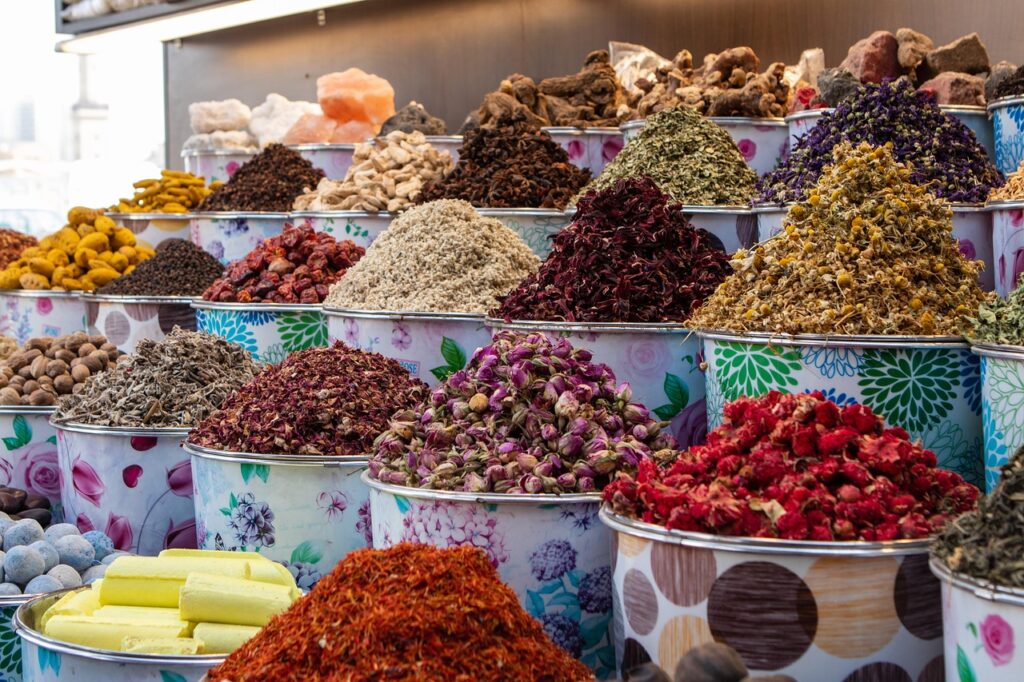
Africa, often referred to as the cradle of humanity, is a continent rich in diversity, culture, and history. This diversity is reflected not just in its people and languages, but also in its culinary landscape. At the heart of African cuisine lies a treasure trove of spices that are as varied and vibrant as the continent itself. From the aromatic markets of Morocco to the spicy stews of Ethiopia, African spices offer a flavorful journey that captivates the senses and tells a story of tradition and innovation.
The Role of Spices in African Cuisine
Spices have always played a pivotal role in African cooking, serving not only to enhance flavor but also to preserve food and provide nutritional benefits. Each region of Africa brings its own unique blend of spices that are integral to its culinary identity. Spices are used to create complex layers of flavor, transforming simple ingredients into extraordinary dishes. They signify more than just taste; they embody the heritage and history of African people.
Northern Africa: A Fusion of Flavors
Northern Africa’s spice palate is heavily influenced by a rich tapestry of cultures, including Berber, Arab, and French. Common spices include cumin, coriander, saffron, and mint. A notable spice blend is Ras el Hanout, a Moroccan mixture that can contain up to 30 different spices, including cardamom, clove, cinnamon, and nutmeg. Ras el Hanout is used in tagines and other traditional dishes, providing a warm and aromatic depth.
Harissa: The Fiery Condiment
Another iconic Northern African spice is Harissa, a fiery chili paste from Tunisia. Made from roasted red peppers, Baklouti peppers, and a mix of spices like caraway and coriander, Harissa is used to add heat and flavor to soups, stews, and couscous. Its bold and spicy profile makes it a staple in Northern African kitchens.
Western Africa: Bold and Spicy
Western African cuisine is known for its bold, spicy, and hearty flavors. Spices like ginger, nutmeg, and chili peppers are staples in many dishes. The use of spices in this region is often about creating robust and comforting meals that bring people together.
Suya Spice: A Street Food Sensation
Suya is a popular street food in Nigeria and other parts of Western Africa. The spice mixture, often called “Yaji,” includes ground peanuts, ginger, paprika, and chili powder. Suya spice is used to season skewered meat, which is then grilled to perfection, resulting in a smoky, spicy, and nutty flavor that is simply irresistible.
Egusi: A Nutty Delight
Egusi, derived from melon seeds, is a key ingredient in many West African soups and stews. While not a spice in the traditional sense, its nutty flavor enhances the overall taste profile of dishes. Often combined with leafy greens and a variety of spices, Egusi soup is a staple in Nigerian cuisine.
Eastern Africa: A Spice Route Legacy
Eastern Africa’s cuisine is a testament to the historical spice trade routes that traversed the region. Spices such as cardamom, cinnamon, and cloves are common, reflecting the influence of Indian and Arabian traders.
Berbere: Ethiopia’s Signature Spice Blend
Berbere is a quintessential Ethiopian spice blend made from a mixture of chili peppers, garlic, ginger, basil, and several other spices. Known for its aromatic heat, Berbere is used in many traditional Ethiopian dishes, like Doro Wat, a spicy chicken stew. It epitomizes the rich and complex flavors characteristic of Eastern African cuisine.
Cardamom: A Fragrant Addition
Cardamom is another significant spice in Eastern African cooking, particularly in Tanzanian and Kenyan cuisines. Used in both sweet and savory dishes, cardamom imparts a fragrant, slightly sweet flavor that enhances curries, rice dishes, and even traditional teas.
Southern Africa: A Melting Pot of Influences
Southern African cuisine is a melting pot of indigenous and colonial influences, resulting in a diverse array of flavors and dishes. Spices such as peri-peri (a type of chili), allspice, and bay leaves play a significant role in the region’s culinary repertoire.
Peri-Peri: The Heat of Southern Africa
Originating from Mozambique and popularized in South Africa, Peri-Peri sauce is made from African bird’s eye chili, garlic, lemon, and vinegar. Known for its fiery kick, Peri-Peri is used as a marinade and sauce for grilled meats, particularly chicken, bringing a burst of flavor and heat.
Biltong: A Spiced Snack
Biltong, a dried, cured meat similar to jerky, is a popular snack in Southern Africa. It’s seasoned with a blend of coriander, pepper, vinegar, and salt, creating a savory and slightly tangy taste. Biltong showcases the region’s knack for preserving meats while infusing them with distinctive spice profiles.
The Nutritional and Medicinal Benefits of African Spices
Beyond adding flavor, African spices offer numerous health benefits. Many spices contain antioxidants, anti-inflammatory properties, and essential nutrients. For example, ginger and turmeric, commonly used in African cooking, are known for their digestive and anti-inflammatory benefits. Similarly, cloves and cinnamon are rich in antioxidants, supporting overall health and wellness.
Exploring African Spices Globally
As global interest in diverse cuisines grows, African spices are gaining recognition beyond the continent. They are increasingly available in international markets, allowing more people to experience the rich and varied flavors of African cooking. Chefs and home cooks alike are embracing these spices, incorporating them into fusion dishes that celebrate both tradition and creativity.
Conclusion: An Invitation to Explore
Discovering African spices is more than a culinary adventure; it’s an exploration of culture, history, and community. Each spice tells a story, each dish a journey through time and tradition. Whether you’re savoring a spicy Moroccan tagine, enjoying the bold flavors of Nigerian Suya, or indulging in a fragrant Ethiopian stew, African spices invite you to explore a world of flavor that is as diverse and vibrant as the continent itself. So why not embark on this flavorful journey and let African spices enrich your culinary repertoire?
#ChatGPT assisted in the creation of this article.


