
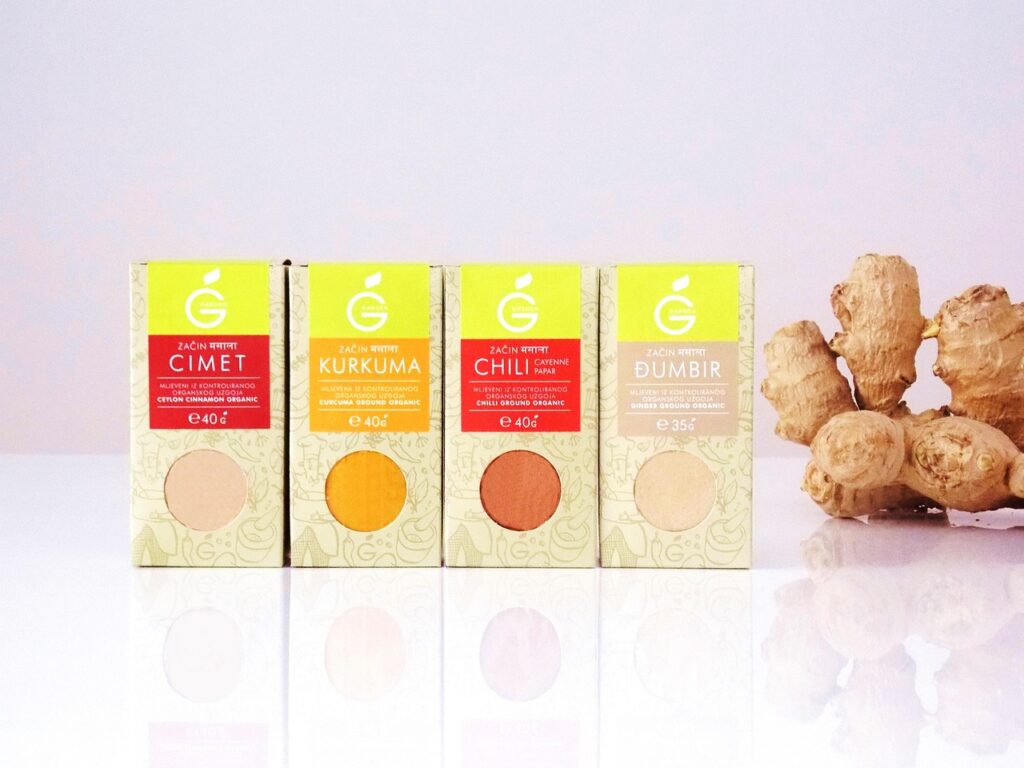
Spices are the heart of culinary art, infusing dishes with vibrant flavors, tantalizing aromas, and varied textures. However, maintaining the potency and freshness of spices can be a challenge. One effective method to preserve these essential ingredients is freezing. This article explores expert tips on freezing spices to maximize their flavor and extend their shelf life.
Understanding the Basics of Freezing Spices
Freezing is a preservation technique that slows down the degradation of spices by minimizing exposure to air, light, and moisture. Unlike drying or refrigerating, freezing helps maintain the volatile oils that give spices their distinct flavors and aromas. However, not all spices freeze equally well, and improper methods can lead to loss of flavor or texture.
Which Spices Are Suitable for Freezing?
Not all spices benefit from freezing. Whole spices like cinnamon sticks, nutmeg, and black peppercorns tend to freeze well because their sturdy structure protects the essential oils. Ground spices, on the other hand, may clump together and lose potency. Fresh herbs such as basil, parsley, and cilantro freeze well and retain flavor, making them ideal for this preservation method.
Spices Not Recommended for Freezing
Some spices do not respond well to freezing. Salt, for example, can absorb moisture and become clumpy. Similarly, spices with high moisture content, like garlic and ginger, can suffer texture changes. It’s better to store these in a cool, dry place or use them fresh.
Prepping Spices for Freezing
Proper preparation is crucial for maintaining the quality of spices during freezing. Here are some steps to follow:
Cleaning and Drying
Before freezing, ensure that spices and herbs are clean and dry. Moisture can lead to ice crystal formation, which can degrade the texture and flavor. For fresh herbs, rinse under cold water and pat dry with paper towels.
Chopping and Portioning
For herbs, consider chopping them into small pieces or puréeing with a bit of water or oil. This makes it easier to portion out only what you need later. Use ice cube trays to freeze herbs in small portions, then transfer to airtight bags once frozen.
Freezing Techniques for Spices
Implementing the right freezing techniques ensures maximum flavor retention. Here are some methods and tips:
Vacuum Sealing
Vacuum sealing is one of the best ways to freeze spices. By removing air, this method reduces oxidation and freezer burn. Invest in a good vacuum sealer, and use appropriate bags for freezing. This method works well for whole spices and herbs.
Using Airtight Containers
If vacuum sealing is not an option, use airtight containers or freezer bags. Ensure minimal air remains inside the container to prevent oxidation. For ground spices, consider using small jars to avoid frequent opening and exposure to air.
Layering with Oil
For herbs, consider freezing them in oil. This method protects the delicate flavors and provides a ready-to-use cooking component. Fill ice cube trays with chopped herbs and cover them with olive oil before freezing. Once frozen, transfer the cubes to a bag or container.
Storage Duration and Quality Considerations
While freezing extends the life of spices, it’s important to keep track of how long they are stored and to monitor their quality.
Duration of Storage
Whole spices can generally be stored in the freezer for one to two years without significant loss of flavor. Fresh herbs frozen in oil can last up to six months, while ground spices should be used within a year. Always label containers with the date of freezing.
Quality Checks
Periodically check frozen spices for signs of freezer burn or flavor loss. If a spice no longer has its characteristic aroma, it may be time to replace it. Tasting a small amount can also help determine if the spice has retained its potency.
Thawing and Using Frozen Spices
Proper thawing techniques are essential to preserve the flavor of frozen spices. Follow these tips for best results:
Thawing Techniques
Thaw spices in small quantities as needed. For herbs frozen in oil, add them directly to the pan without thawing. For whole spices, allow them to sit at room temperature for a few minutes before use. Avoid microwaving as it can degrade flavor.
Incorporating into Dishes
Frozen spices can be incorporated into dishes during cooking. Add them early in the cooking process to allow flavors to meld. For salads or toppings, allow herbs to thaw slightly to retain their texture.
Conclusion
Freezing spices is a practical way to maintain their flavor and extend their usability. By selecting the right spices, preparing them properly, and using effective freezing techniques, you can ensure that your favorite flavors are always on hand. With these expert tips, maximize the flavor of your spices and elevate your culinary creations.
#ChatGPT assisted in the creation of this article.


