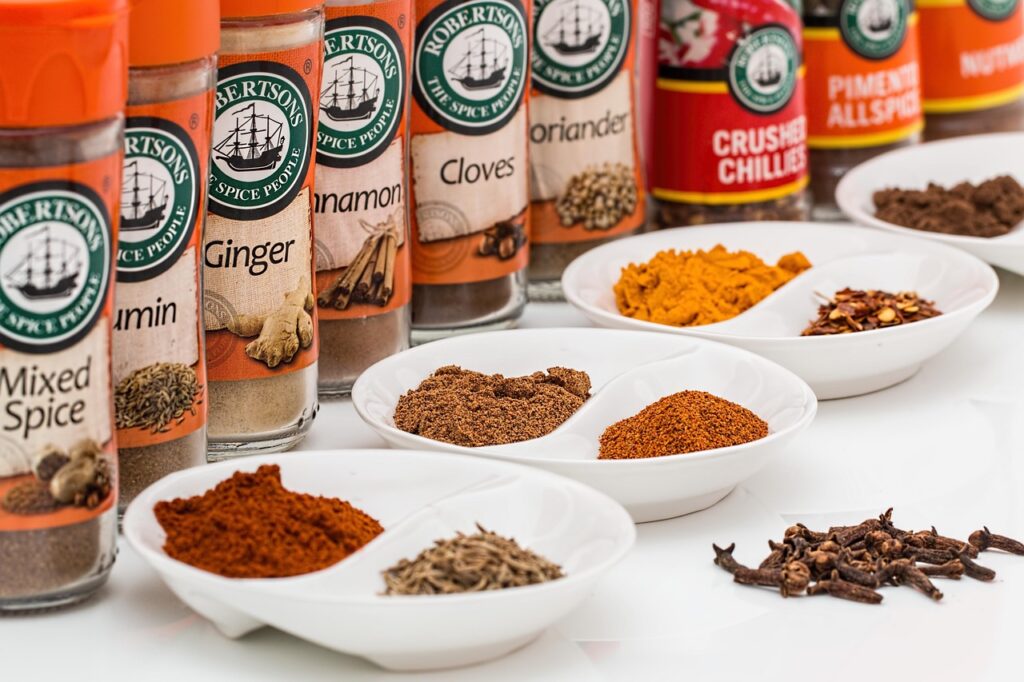
Spices are the heart of any kitchen, adding flavor and flair to dishes from around the world. However, to enjoy their full potential, it’s crucial to store them properly and understand the factors that affect their shelf life. This article will guide you through maximizing the longevity of your spices, ensuring they remain potent and flavorful for as long as possible.
Understanding Spice Shelf Life
Spices, whether whole or ground, are natural products that degrade over time. The shelf life of spices varies significantly depending on several factors, including their type, processing method, and storage conditions.
Whole vs. Ground Spices
Whole spices, such as peppercorns, cinnamon sticks, and nutmegs, generally have a longer shelf life than their ground counterparts. This is because whole spices have a smaller surface area exposed to air, which slows down the process of oxidation and loss of essential oils. Ground spices, on the other hand, are more susceptible to air, moisture, and light, leading to faster degradation.
Spice Categories
– **Dried Herbs:** These include basil, oregano, parsley, and thyme. They typically last between 1 to 3 years if stored properly.
– **Ground Spices:** Examples include cinnamon powder, ground ginger, and turmeric. They generally last 1 to 2 years.
– **Whole Spices:** These include items like cloves, cumin seeds, and cardamom pods, which can last up to 4 years or more.
– **Spice Blends:** These vary widely but usually last about 1 to 2 years, depending on the ingredients and processing.
Factors Affecting Spice Shelf Life
Light
Exposure to light, especially sunlight, can cause spices to fade in color and lose potency. Ultraviolet rays break down the chemical compounds in spices, leading to a loss of flavor and aroma.
Air
Air is one of the biggest enemies of spices. Oxygen exposure leads to oxidation, which diminishes flavor and aroma. Keeping spices in airtight containers minimizes this risk.
Moisture
Spices should be kept dry at all times. Moisture can lead to mold growth and clumping, especially in ground spices. It’s important to ensure that utensils used to scoop spices are dry to prevent contamination.
Heat
High temperatures can accelerate the degradation of spices. Storing spices near heat sources such as stoves, ovens, or direct sunlight should be avoided to preserve their flavor and potency.
Tips to Maximize Spice Shelf Life
Invest in Quality Containers
Using airtight containers made of glass or metal is essential for preserving spices. These materials provide an effective barrier against air, moisture, and light. Avoid plastic containers as they can absorb odors and discolor over time.
Store in a Cool, Dark Place
The best environment for spices is a cool, dark place, such as a pantry or a dedicated spice drawer. Avoid storing spices above the stove or near windows, where temperature fluctuations and light exposure can hasten degradation.
Label and Date Your Spices
Always label your spice containers with the name and purchase date. This practice helps you keep track of their age and ensures you use older spices first, maintaining freshness.
Buy in Small Quantities
Purchasing spices in small quantities is a practical way to maintain freshness. Since spices lose their potency over time, buying in bulk may lead to waste. Instead, purchase smaller amounts more frequently.
Consider Vacuum Sealing
For long-term storage, especially for rare or expensive spices, vacuum sealing can significantly extend shelf life. This method removes air, reducing oxidation and moisture exposure.
Testing Spice Freshness
Even with the best storage practices, it’s essential to periodically check your spices for freshness. Here are some simple tests:
Visual Inspection
Look for any noticeable discoloration or signs of mold. Spices should have a vibrant color that indicates their potency.
Aroma Test
Crush or rub a small amount of the spice between your fingers and smell it. Fresh spices should have a strong, distinctive aroma. If the scent is faint or nonexistent, it’s time to replace the spice.
Taste Test
For a more definitive test, taste a small pinch of the spice. A lack of flavor or a stale taste indicates that the spice has lost its potency and should be replaced.
Conclusion
Maximizing the shelf life of your spices involves understanding the factors that lead to their degradation and implementing practical storage solutions. By investing in quality containers, storing spices in a cool, dark place, and regularly testing them for freshness, you can ensure that your culinary creations are always flavorful and aromatic. With these tips, your spice collection will remain a vibrant and essential part of your kitchen for years to come.
“`
#ChatGPT assisted in the creation of this article.


