Spices have been at the heart of culinary traditions across the globe for centuries. They are the essence of flavor, the soul of cuisines, and the secret behind the distinct taste of every regional dish. In this article, we invite you on a flavorful journey to discover exotic global spice blends that will elevate your culinary creations to new heights. Whether you’re a seasoned chef or a home cook, these spice blends offer a passport to the world’s kitchens, allowing you to experiment and transform everyday meals into extraordinary experiences.
The Art of Spice Blending
Creating a spice blend is an art form that requires understanding the nuances of each spice and how they interact with one another. A well-crafted blend balances flavors, enhances the natural taste of ingredients, and can even add a depth of aroma and color to a dish. While individual spices are powerful on their own, blending them together creates a harmonious symphony of flavors that can make any dish memorable.
Exploring Exotic Spice Blends
Garam Masala: The Heart of Indian Cuisine
Garam Masala is a quintessential spice blend in Indian cooking, known for its complex and aromatic profile. Typically comprising cumin, coriander, cardamom, cinnamon, cloves, nutmeg, and black pepper, this blend adds warmth and depth to curries, soups, and even desserts. It is usually added towards the end of cooking to preserve its vibrant flavors. Experiment with Garam Masala in lentil soups, roasted vegetables, or as a marinade for meats to experience its transformative power.
Ras el Hanout: A Moroccan Treasure
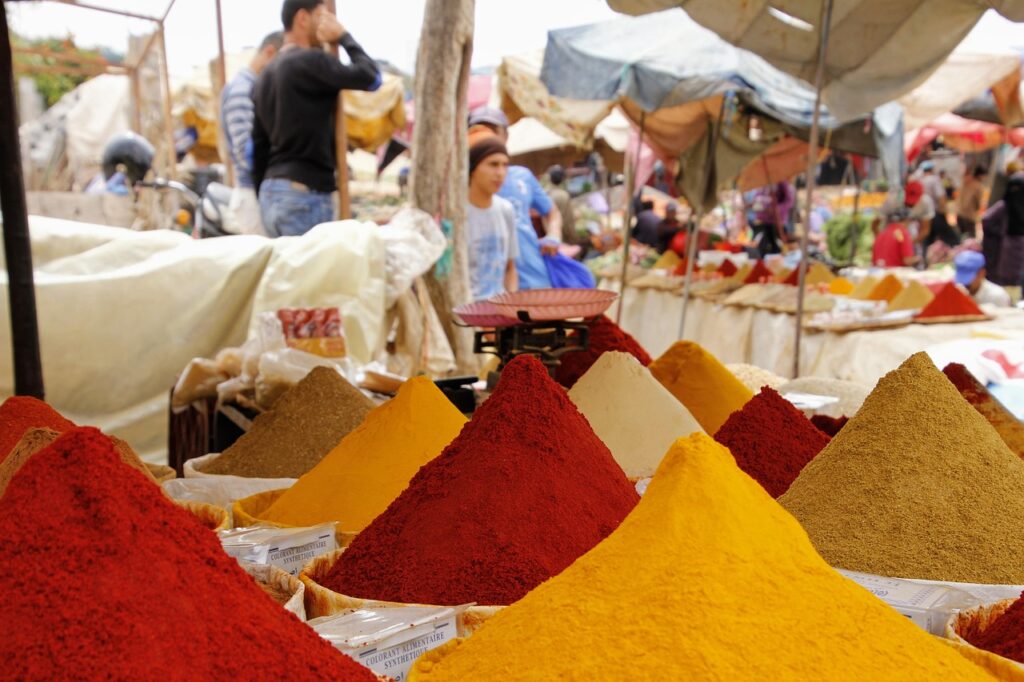
Ras el Hanout, meaning “head of the shop,” is a Moroccan spice blend that can contain up to 30 different spices. It often includes cardamom, clove, cinnamon, chili peppers, coriander, cumin, paprika, mace, nutmeg, peppercorn, and turmeric. Each blend is unique to the spice merchant who creates it. This blend is perfect for tagines, stews, and couscous dishes. Its fragrant and bold flavors bring an exotic touch to roasted vegetables and grilled meats, making it a versatile addition to any pantry.
Herbes de Provence: A Taste of Southern France
Herbes de Provence is a fragrant blend of dried herbs typical of the Provence region in France. It usually contains rosemary, thyme, oregano, marjoram, and sometimes lavender. This blend is a staple in French cooking, used to season grilled meats, vegetable dishes, and even baked goods. Its aromatic properties make it perfect for enhancing the flavors of roasted chicken or fish. Sprinkle it over vegetables before roasting, or use it in a marinade for a true taste of Southern France.
Zhug: A Fiery Yemeni Delight
Zhug is a spicy Yemeni condiment made from fresh green or red chilies, garlic, coriander, cumin, and cardamom, blended with olive oil. This hot and aromatic paste is popular in Middle Eastern cuisine and adds a fiery kick to any dish. Use Zhug as a condiment for grilled meats, in sandwiches, or as a spicy topping for hummus. Its vibrant flavor profile brings heat and excitement to any meal, making it a must-have for spice enthusiasts.
Dukkah: An Egyptian Sensation
Dukkah is a traditional Egyptian blend of nuts, seeds, and spices. It typically includes hazelnuts, sesame seeds, coriander, and cumin. This crunchy mixture is often used as a dip with bread and olive oil or sprinkled over salads and roasted vegetables. Dukkah’s nutty and aromatic qualities add texture and depth to dishes, making it an excellent choice for those seeking a unique and flavorful experience.
Incorporating Spice Blends into Everyday Cooking
Integrating these exotic spice blends into your daily cooking routine can be a delightful adventure. Here are some tips to help you get started:
Experiment with Small Batches
If you’re new to a particular spice blend, start by using small amounts to understand its flavor profile and how it complements your dishes. This approach allows you to adjust the quantity and combination of spices to suit your taste preferences.
Marinades and Rubs
Spice blends are perfect for creating marinades and rubs for meats and vegetables. Combine your chosen blend with oil, vinegar, or yogurt, and let the flavors infuse before cooking. This technique enhances the taste and aroma of your dishes.
Flavor Boost for Soups and Stews
Adding a pinch of spice blend to soups, stews, or sauces can elevate their flavor instantly. Be mindful of the cooking stage at which you add the spices, as some blends are best added early to develop their flavors, while others, like Garam Masala, are added towards the end.
Seasoning for Snacks
Spice blends can transform ordinary snacks into gourmet treats. Sprinkle them over popcorn, roasted nuts, or homemade chips for an exciting twist on classic snacks. Dukkah, in particular, is excellent for adding crunch and flavor to popcorn or roasted chickpeas.
The Cultural Significance of Spice Blends
Spice blends are more than just culinary tools; they are a reflection of cultural heritage and tradition. Each blend tells a story of its origin, representing the history, geography, and customs of the region it comes from. By incorporating these blends into your cooking, you not only enhance your culinary skills but also connect with the rich tapestry of global cultures.
Conclusion: A World of Flavors Awaits
The world of spice blends offers an endless array of flavors waiting to be explored. From the aromatic warmth of Garam Masala to the fiery kick of Zhug, each blend brings its unique character to your kitchen. By embracing these exotic blends, you open the door to a world of culinary creativity and cultural appreciation.
Whether you’re recreating traditional dishes or experimenting with fusion cuisine, spice blends provide the versatility and excitement needed to elevate your cooking. So, embark on this flavorful journey and discover how these global spice blends can transform every dish into an extraordinary culinary experience.
#ChatGPT assisted in the creation of this article.


