
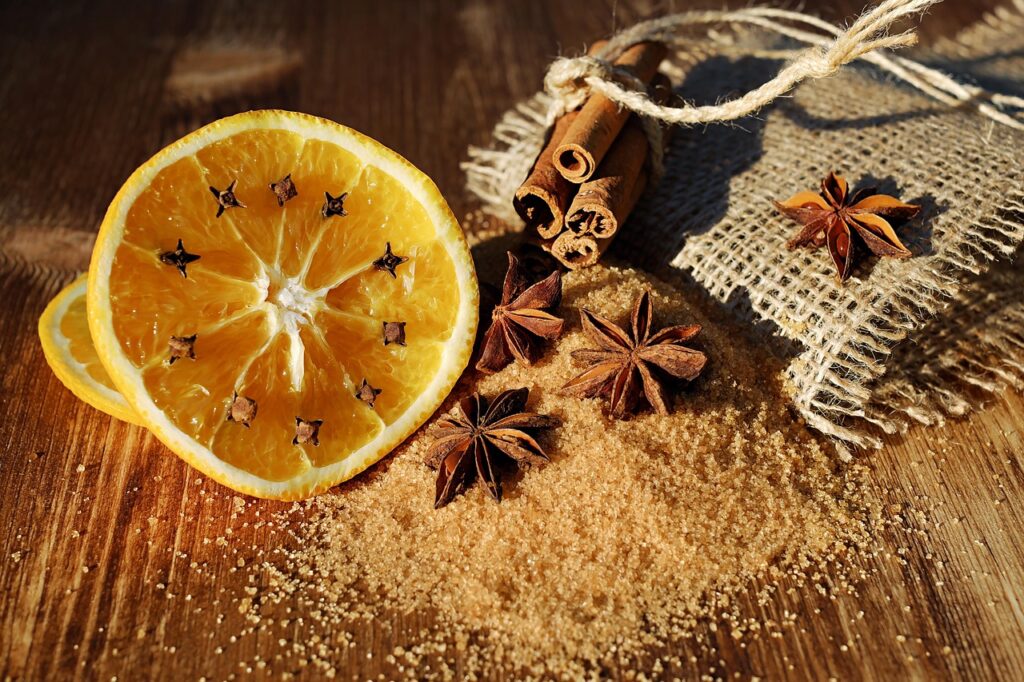
Ras El Hanout, which translates to “head of the shop,” is a traditional Moroccan spice blend known for its complex and aromatic profile. It is a staple in North African cuisine, celebrated for its ability to elevate dishes with a rich tapestry of flavors. While its exact composition varies from region to region and even from one spice merchant to another, Ras El Hanout typically combines a variety of spices, herbs, and sometimes dried flowers. This makes it a highly customizable blend that reflects the nuances of personal taste and local tradition.
The Story Behind Ras El Hanout
Originating from the bustling souks of Morocco, Ras El Hanout is as much a reflection of cultural heritage as it is a culinary staple. Traditionally, spice merchants would create their own signature blends, showcasing the “best of the shop” – the finest and most potent spices they had to offer. This not only highlighted the merchant’s expertise but also brought a unique touch to the dishes prepared with it. The blend’s versatility allows it to be used in a myriad of dishes, from tagines and couscous to being rubbed on meats or stirred into stews.
The Core Ingredients of Ras El Hanout
While there is no definitive recipe for Ras El Hanout, certain ingredients are commonly found in most blends. These include:
- Cumin: Adds a warm, earthy flavor.
- Coriander: Lends a citrusy, nutty undertone.
- Cinnamon: Offers a sweet, woody aroma.
- Ginger: Provides a zesty, pungent bite.
- Cardamom: Contributes a sweet, floral note.
- Turmeric: Adds a mild, slightly bitter taste and vibrant color.
- Cloves: Imparts a sweet, peppery warmth.
- Nutmeg: Provides a sweet, nutty spice.
- Allspice: Offers a blend of clove, nutmeg, and cinnamon flavors.
- Black Pepper: Adds a sharp, pungent heat.
Crafting Your Unique Ras El Hanout
Creating your own Ras El Hanout allows you to tailor the blend to your specific taste preferences. Here’s a step-by-step guide to crafting a blend that’s uniquely yours:
Step 1: Gathering Ingredients
Start by sourcing high-quality, whole spices whenever possible. Whole spices retain their flavors longer than ground spices and provide a fresher taste when freshly ground. Consider visiting a local spice shop or a reputable online retailer to find the freshest spices available.
Step 2: Experimenting with Proportions
Begin with a basic recipe as your foundation, then adjust the proportions to suit your palate. A suggested starting point might be:
- 2 tablespoons cumin seeds
- 2 tablespoons coriander seeds
- 1 tablespoon ground cinnamon
- 1 tablespoon ground ginger
- 1 tablespoon cardamom pods
- 1 tablespoon turmeric powder
- 1 teaspoon whole cloves
- 1 teaspoon ground nutmeg
- 1 teaspoon allspice berries
- 1 teaspoon black peppercorns
Step 3: Toasting the Spices
To enhance their flavors, lightly toast the whole spices in a dry skillet over medium heat. Stir frequently to prevent burning and toast until they release their aromas, usually around 2-3 minutes. Allow them to cool completely before grinding.
Step 4: Grinding the Spices
Use a spice grinder or mortar and pestle to grind the toasted spices into a fine powder. If using a grinder, work in batches to avoid overheating, which can diminish the spices’ flavors.
Step 5: Blending and Storing
Combine your freshly ground spices with any pre-ground spices in a bowl, stirring until well mixed. Store your Ras El Hanout in an airtight container in a cool, dark place to preserve its potency. Properly stored, it should retain its flavor for several months.
Enhancing and Personalizing Your Blend
Once you have the basics down, consider personalizing your Ras El Hanout further:
Adding a Floral Touch
Incorporate dried flowers like rose petals or lavender for a floral aroma that complements the spices beautifully.
Introducing Heat
For a spicier blend, add dried chili flakes or cayenne pepper. Adjust to your heat tolerance.
Exploring Sweetness
A pinch of saffron can add a luxurious, sweet undertone and a touch of golden color.
Cooking with Ras El Hanout
Now that you’ve crafted your unique blend, explore the myriad ways to use Ras El Hanout in your cooking:
Tagines and Stews
Ras El Hanout can transform a simple tagine or stew into a fragrant, comforting dish. Add it early in the cooking process to allow the flavors to meld.
Meat and Poultry Rubs
Use your blend as a dry rub on meats and poultry before grilling, roasting, or baking. It imparts a deep, rich flavor that enhances the natural taste of the meat.
Vegetable Dishes
Sprinkle Ras El Hanout over roasted vegetables for an exotic twist. It pairs especially well with root vegetables, eggplant, and squash.
Rice and Grains
Stir Ras El Hanout into rice, couscous, or quinoa for a fragrant side dish. A little goes a long way in infusing these grains with warmth and complexity.
Conclusion: Embrace the Art of Spice Blending
Crafting your own Ras El Hanout is a rewarding journey into the world of spices and flavors. By experimenting and personalizing your blend, you not only create a spice mix that suits your taste but also connect with a rich culinary tradition. Whether you use it to enhance a traditional Moroccan dish or to bring a new dimension to your everyday meals, Ras El Hanout is sure to unlock a world of flavor. Embrace the art of spice blending, and enjoy the endless possibilities this unique mix has to offer.
#ChatGPT assisted in the creation of this article.


