
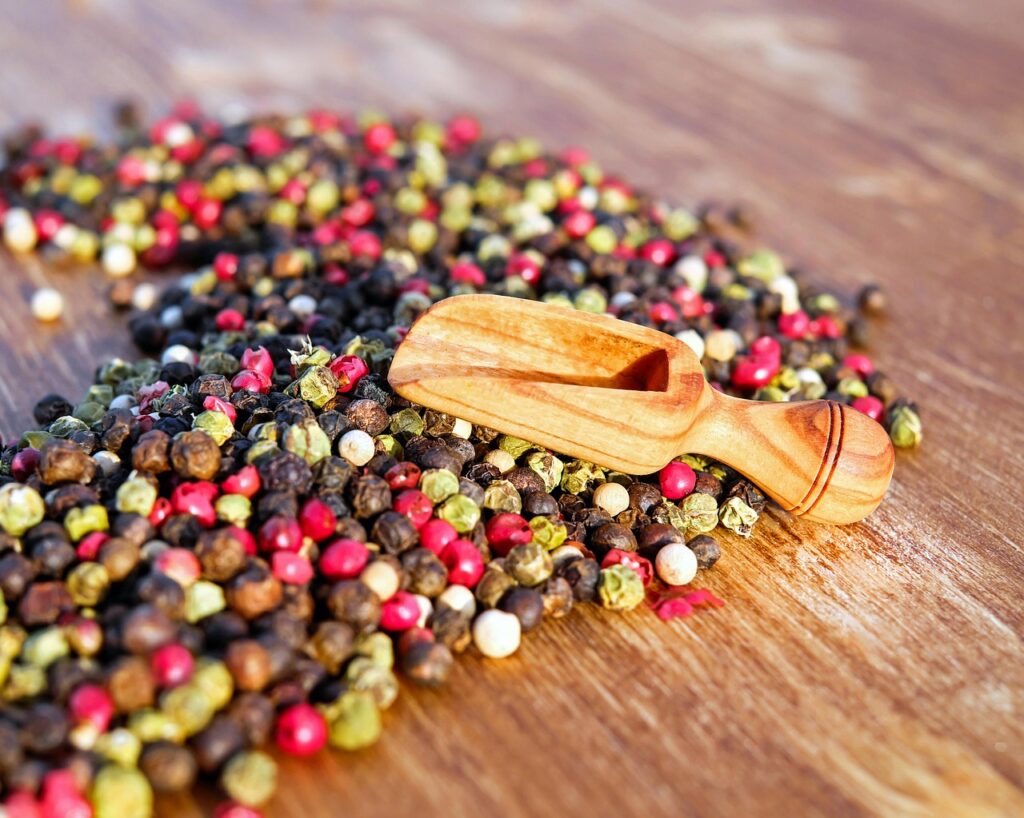
Spices have been central to culinary traditions across the globe for centuries. They not only enhance flavor and aroma but also offer a plethora of health benefits. Understanding how to use them can transform ordinary dishes into extraordinary culinary experiences. This guide will explore some essential cooking spices that can unlock flavors and elevate your cooking to new heights.
1. Black Pepper
Often referred to as the “king of spices,” black pepper is a staple in kitchens worldwide. It provides a sharp, pungent flavor and a hint of heat that complements nearly every savory dish.
Flavor Profile
Black pepper is known for its distinctive sharpness and subtle earthiness. Its heat is milder compared to chili peppers but it adds a complex layer of warmth to dishes.
Uses in Cooking
Black pepper is incredibly versatile. It can be used in everything from seasoning meats and vegetables to adding depth to soups and stews. Freshly ground black pepper is preferred for its bold flavor.
2. Cumin
Cumin is a spice often associated with Mexican, Indian, and Middle Eastern cuisines. Its warm, earthy flavor is a key component in many spice blends such as curry powder and garam masala.
Flavor Profile
Cumin has a distinctive warm, nutty flavor with a hint of citrus. Its aroma is strong and slightly sweet, making it a powerful addition to many dishes.
Uses in Cooking
Used both as whole seeds and ground, cumin is ideal for seasoning meats, adding flavor to rice dishes, and enhancing the taste of grilled vegetables. Toasting the seeds before use can further intensify their flavor.
3. Turmeric
Known for its vibrant yellow color, turmeric is a spice with a rich history of use in traditional medicine. Its slightly bitter, peppery flavor is a staple in many Asian cuisines.
Flavor Profile
Turmeric has a warm, earthy flavor with a slight bitterness and a hint of mustard. Its fragrance is mildly aromatic, making it a unique spice in the culinary world.
Uses in Cooking
Turmeric is commonly used in curries, rice dishes, and soups. It pairs well with other warm spices like cumin and coriander. Beyond its flavor, turmeric is valued for its health benefits, particularly its anti-inflammatory properties.
4. Cinnamon
Cinnamon is a spice that is both sweet and savory, making it an essential ingredient in many cuisines. It’s derived from the inner bark of trees in the Cinnamomum family.
Flavor Profile
With its sweet and woody flavor, cinnamon has a slightly spicy edge. Its aroma is warm and comforting, often associated with baked goods and holiday dishes.
Uses in Cooking
Cinnamon is versatile across sweet and savory dishes. It enhances the flavor of desserts, curries, and even beverages like mulled wine and spiced teas. Ground cinnamon is common, but whole sticks are often used for infusing dishes.
5. Paprika
Derived from dried and ground peppers, paprika is a spice that brings vibrant color and a range of flavors from sweet to hot.
Flavor Profile
Paprika can vary greatly in flavor, from mild and sweet to hot and spicy. Its aroma is mildly peppery with a touch of sweetness.
Uses in Cooking
It’s a key ingredient in dishes such as goulash and paella. Paprika is also used to add color and flavor to meats, stews, and even as a garnish for deviled eggs.
6. Ginger
Ginger is a spice with a long history in both culinary and medicinal traditions. Its pungent flavor and aroma bring zest to a wide range of dishes.
Flavor Profile
Ginger has a warm, spicy-sweet flavor with a hint of lemon and a peppery finish. Its aroma is fresh, sharp, and slightly woody.
Uses in Cooking
Fresh ginger is often used in Asian cuisines, adding flavor to stir-fries, soups, and sauces. Ground ginger is popular in baking, particularly in gingerbread and spice cookies.
7. Coriander
Coriander, derived from the seeds of the cilantro plant, is a spice with a delicate, citrusy flavor. It’s used widely in various cuisines around the world.
Flavor Profile
Coriander seeds offer a light, lemony flavor with a hint of sweetness. When ground, it has a subtle, earthy aroma.
Uses in Cooking
Coriander is often included in spice blends like garam masala and curry powder. It’s used to season meats, enhance the flavor of soups and stews, and add a citrusy note to baked goods.
8. Cardamom
Cardamom is a highly aromatic spice with a distinct flavor profile. It is a key ingredient in both sweet and savory dishes, particularly in Indian and Middle Eastern cuisines.
Flavor Profile
Cardamom has a complex flavor that is sweet, spicy, and floral, with hints of citrus and mint. Its aroma is rich and intoxicating.
Uses in Cooking
Cardamom is used whole or ground in a variety of dishes, from Indian curries and rice dishes to Scandinavian pastries and mulled wines. It pairs well with both sweet and savory ingredients.
9. Cloves
Cloves are the dried flower buds of the clove tree, known for their intense flavor and aroma. They are a staple in many spice blends and cuisines.
Flavor Profile
Cloves have a strong, pungent flavor with a sweet, slightly bitter taste. Their aroma is warm and spicy, reminiscent of holiday baking.
Uses in Cooking
Whole cloves are often used in stews, braises, and pickling. Ground cloves are common in baking, particularly in gingerbread and spice cakes. They add depth to savory dishes and warm beverages.
10. Nutmeg
Nutmeg is a spice that adds warmth and sweetness to both sweet and savory dishes. It is often used in baking and holiday recipes.
Flavor Profile
Nutmeg has a sweet, nutty flavor with hints of clove and cinnamon. Its aroma is warm and inviting, often associated with winter dishes.
Uses in Cooking
Grated nutmeg is a common addition to custards, pies, and holiday drinks like eggnog. It also enhances the flavor of savory dishes such as mashed potatoes and creamy sauces.
Conclusion
Incorporating these essential spices into your cooking not only enhances flavor but also adds depth and complexity to your dishes. Experiment with different combinations to discover new taste profiles and elevate your culinary creations. Remember, the key to using spices effectively is balance and moderation, allowing each spice to complement and enhance the overall dish.
#ChatGPT assisted in the creation of this article.


