The history of spices is as rich and diverse as the culinary traditions they have helped to shape. Nowhere is this truer than in India, a country whose spicy legacy is deeply interwoven with its cultural and historical tapestry. This article embarks on a historical journey to unveil India’s spicy legacy, exploring the origins, trade, and cultural significance of spices that have transformed Indian cuisine into a global phenomenon.
The Origin of Spices in India
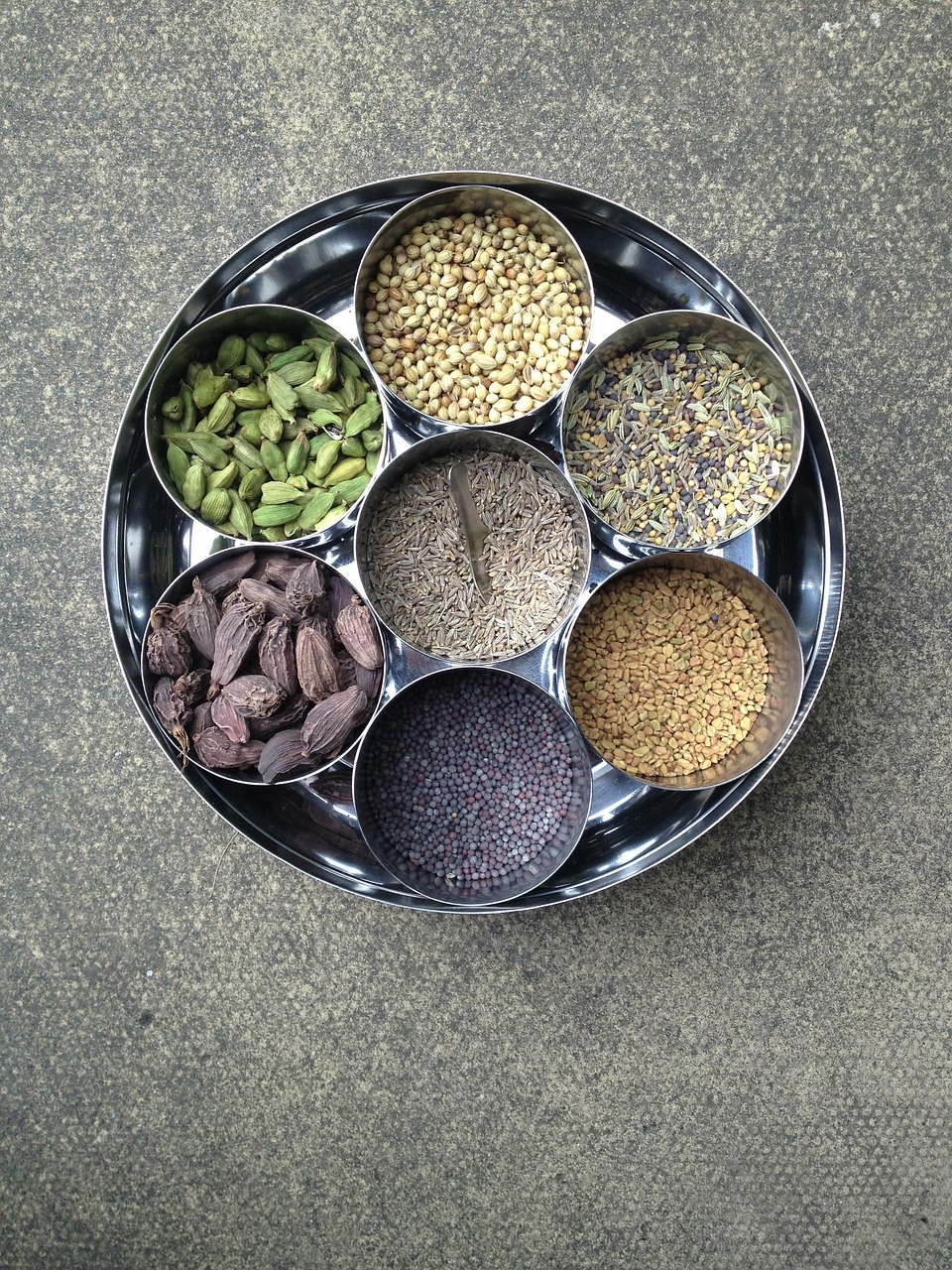
Spices have been cultivated and used in India for thousands of years. The fertile plains of the Indian subcontinent provided the perfect environment for growing a variety of spices that would become indispensable in Indian cuisine. Among these, black pepper, cardamom, turmeric, and cumin have been particularly significant.
Archaeological evidence suggests that the use of spices in India dates back to the Indus Valley Civilization, around 3000 BCE. Ancient texts, such as the Vedas, also mention the use of spices for culinary and medicinal purposes. These early references highlight the integral role spices have played in Indian society from the very beginning.
The Spice Trade: A Global Phenomenon
India’s strategic location and rich natural resources made it a central hub for the global spice trade. By the first millennium BCE, Indian spices were being traded with the Middle East and the Mediterranean. The demand for these exotic flavors was so high that they became a form of currency, and their trade routes helped shape the ancient world.
The Silk Road and Maritime Routes
The Silk Road, a network of trade routes connecting the East and West, played a crucial role in the dissemination of Indian spices. Caravans transported spices across vast distances, reaching as far as Rome and Greece. Over time, maritime routes became equally important, with Indian spices being shipped to Arabia, Africa, and Europe via the Arabian Sea and the Indian Ocean.
European Exploration and Colonization
The allure of Indian spices was a driving force behind European exploration during the Age of Discovery. In their quest for a direct sea route to the spice-rich lands of Asia, explorers like Vasco da Gama reached the shores of India in 1498. This marked the beginning of European colonization and dominance over the spice trade, with the Portuguese, Dutch, and British vying for control over the lucrative market.
Cultural Significance of Spices in India
Beyond their economic value, spices hold profound cultural significance in India. They are not merely ingredients but are woven into the fabric of Indian life, influencing everything from religious rituals to traditional medicine.
Spices in Religious and Spiritual Practices
In India, spices have been used in religious and spiritual ceremonies for centuries. Incense made from spices like sandalwood and saffron is commonly used in Hindu rituals. Turmeric, in particular, is considered sacred and is used in various religious ceremonies and festivals, symbolizing purity and auspiciousness.
Ayurveda: The Healing Power of Spices
Ayurveda, the ancient Indian system of medicine, places great importance on the healing properties of spices. Many spices, such as ginger, turmeric, and fenugreek, are used in Ayurvedic remedies to treat a variety of ailments. The holistic approach of Ayurveda emphasizes the balance of body, mind, and spirit, with spices playing a key role in achieving this harmony.
The Culinary Heritage of Indian Spices
Indian cuisine is synonymous with its bold and vibrant use of spices. Each region of India has its own unique spice blends and culinary traditions, resulting in a diverse and flavorful tapestry of dishes.
Regional Spice Blends
From the fiery curries of the South to the aromatic biryanis of the North, Indian cuisine showcases a wide array of regional spice blends. Garam masala, a blend of ground spices, is a staple in North Indian cooking, while in the South, sambar powder adds a distinctive flavor to dishes. These spice blends are often passed down through generations, preserving the culinary heritage of each region.
Modern Influence and Global Popularity
In recent years, Indian cuisine has gained global popularity, with spices like curry powder and garam masala becoming household names around the world. The fusion of Indian spices with international cuisines has led to innovative culinary creations, further solidifying India’s spicy legacy on the global stage.
Conclusion
India’s spicy legacy is a testament to the enduring power and allure of spices. From their ancient origins to their role in shaping global trade and culinary traditions, Indian spices have left an indelible mark on history. As we continue to savor the rich flavors and aromas of Indian cuisine, we honor a legacy that transcends time and borders, a legacy that continues to inspire and captivate the world.
#ChatGPT assisted in the creation of this article.


