
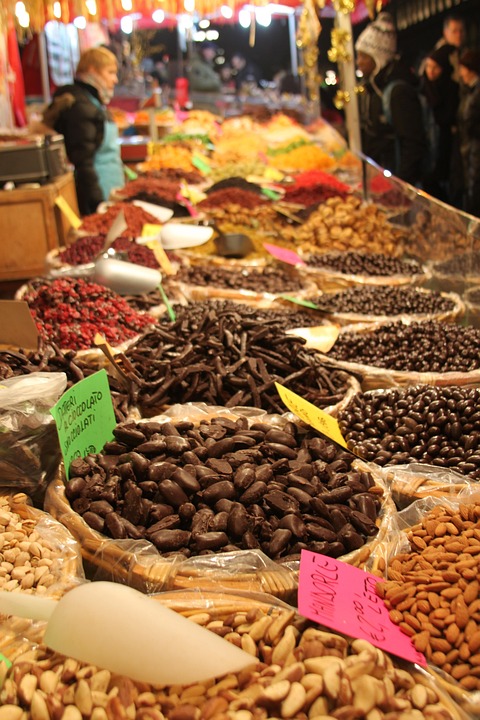
Herbs and spices are indispensable elements in culinary arts, transforming ordinary dishes into memorable experiences with their flavors and aromas. However, the potency of these ingredients can diminish over time if not stored properly. This ultimate guide will provide you with comprehensive insights into the best practices for buying, storing, and maintaining the quality of herbs and spices, ensuring that your pantry is always stocked with fresh and flavorful ingredients.
Understanding Herbs and Spices
Before diving into storage techniques, it’s essential to understand what herbs and spices are. Herbs typically come from the leafy green parts of plants and are often used fresh. Examples include basil, parsley, and cilantro. Spices, on the other hand, are derived from other parts of the plant, such as seeds, roots, bark, or fruit, and are usually dried. Common spices include cinnamon, nutmeg, and cloves.
Buying Tips for Herbs and Spices
The first step in ensuring the longevity and potency of your herbs and spices begins at the point of purchase.
Buy in Small Quantities
When it comes to herbs and spices, less is more. Purchase them in small quantities to ensure you use them while they are still fresh. This is particularly important for ground spices, which lose their potency faster than whole spices.
Check for Freshness
For herbs, look for vibrant colors and firm leaves without any signs of wilting or browning. For spices, particularly whole ones, check for a strong aroma. If the scent is faint, the spice may be past its prime.
Source from Reputable Vendors
Purchase from trusted stores or markets where there is a high turnover rate. This increases the likelihood that the herbs and spices are fresh.
Storing Fresh Herbs
Fresh herbs require a bit more care than dried ones, but when stored correctly, they can last significantly longer.
Refrigeration
For most herbs, refrigeration is the best storage method. Trim the ends of the stems and place the herbs upright in a glass of water, as you would with flowers. Cover the leaves with a plastic bag and store them in the refrigerator. Change the water every few days.
Freezing
Some herbs, such as chives, dill, and parsley, freeze well. Chop the herbs and place them in ice cube trays, covering them with water or olive oil before freezing. This method allows you to pop out a cube whenever you need it.
Drying
If you have an abundance of fresh herbs, consider drying them. Tie them in small bundles and hang them upside down in a dry, well-ventilated area away from direct sunlight. Once dried, crumble the leaves and store them in an airtight container.
Storing Dried Herbs and Spices
Dried herbs and spices are more forgiving than fresh ones and can last for months to years if stored properly.
Use Airtight Containers
Store your dried herbs and spices in airtight containers to protect them from moisture and air, which can degrade their quality. Glass jars with tight-fitting lids are ideal.
Keep Away from Heat and Light
Heat and light can cause herbs and spices to lose their potency. Store them in a cool, dark place, such as a pantry or cupboard, away from the stove or direct sunlight.
Label and Date
Always label your containers with the name of the herb or spice and the date of purchase. This practice helps you keep track of their freshness and ensures you use older items first.
Whole vs. Ground
Whole spices retain their flavor longer than ground ones. If possible, buy whole spices and grind them as needed. A small spice grinder or mortar and pestle can bring out the fresh flavors right before cooking.
Testing for Freshness
Even with the best storage practices, herbs and spices will eventually lose their potency. Regularly test their freshness to ensure you’re getting the best flavor.
Visual Inspection
Look for any discoloration or signs of mold. Dried herbs should maintain a vibrant color, while spices should look rich and uniform.
Aroma Test
Give your herbs and spices a sniff. They should have a strong, identifiable aroma. If you struggle to detect it, it might be time to replace them.
Taste Test
For a definitive test, crush a bit of the herb or spice between your fingers and taste it. It should have a strong and distinct flavor.
Special Considerations for Specific Herbs and Spices
Certain herbs and spices require unique storage solutions to maximize their shelf life.
Vanilla Beans
Store vanilla beans in a tightly sealed container in a cool, dark place. Avoid refrigerating them, as this can cause them to harden.
Saffron
Keep saffron in an airtight container away from light and moisture. Its delicate flavor can be easily compromised if exposed to air.
Nutmeg
Whole nutmeg can be stored for a long time, but once grated, it loses flavor quickly. Store whole nutmeg in an airtight container and grate it as needed.
Conclusion
Proper storage practices are essential for maintaining the quality and potency of your herbs and spices. By carefully selecting, storing, and testing these culinary staples, you can ensure that they enhance your recipes with their full, robust flavors. Remember, the key to flavorful dishes lies not only in selecting the right herbs and spices but also in how you store and care for them. With these tips, you’ll be well-equipped to keep your pantry stocked with fresh and vibrant ingredients.
#ChatGPT assisted in the creation of this article.


