Spices are the aromatic heartbeats of culinary traditions across the globe, each carrying its own unique flavor, aroma, and story. They have been revered for centuries not just for their ability to enhance and transform dishes, but also for their medicinal and preservative properties. Understanding the complex profiles of spices can elevate your culinary skills and deepen your appreciation for these natural wonders. In this guide, we will unlock the secrets of spice characteristics, exploring their origins, flavor profiles, and potential uses.
The Origin and History of Spices
Spices have a rich history that dates back to ancient civilizations. They were among the first commodities to be traded globally, with their origins tracing back to regions such as the Middle East, Asia, and the Mediterranean. The allure of spices was so powerful that it spurred exploration and even wars. For instance, the spice trade played a crucial role in the discovery of new worlds and the establishment of trade routes.
Understanding the historical context of spices can provide deeper insights into their characteristics. For example, black pepper, native to India, was once considered the “King of Spices” and was so valuable that it was used as a currency. Similarly, cinnamon, harvested from the inner bark of trees in Sri Lanka, was highly prized by ancient Egyptians for embalming and religious practices.
Flavor Profiles of Common Spices
Pungent and Spicy
Spices such as black pepper, chili, and ginger fall into the pungent and spicy category. These spices are known for their ability to add heat and depth to dishes. Black pepper, with its sharp and biting flavor, is often used to enhance savory dishes, while chili peppers bring a fiery kick that can range from mild to intensely hot. Ginger, on the other hand, offers a warm, spicy-sweet profile that complements both sweet and savory dishes.
Sweet and Aromatic
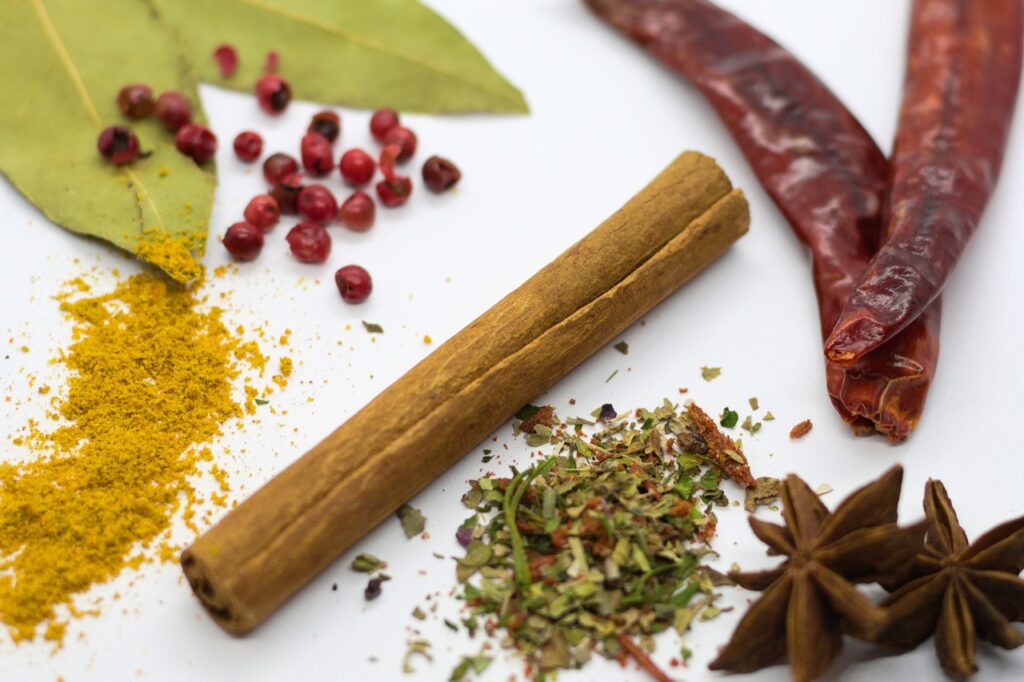
Cinnamon, nutmeg, and cardamom are spices that exude sweet and aromatic qualities. Cinnamon has a sweet, woody fragrance and is a staple in both sweet and savory dishes. Nutmeg, with its warm, nutty flavor, is often used in baking and beverages. Cardamom, known for its complex, citrusy notes, is a key ingredient in many Indian and Middle Eastern recipes.
Earthy and Robust
Earthy and robust spices like cumin, coriander, and turmeric bring depth and warmth to dishes. Cumin, with its distinct earthy flavor, is a common ingredient in Middle Eastern and Mexican cuisines. Coriander seeds offer a slightly sweet and citrusy flavor, often used in spice blends. Turmeric, known for its vibrant color, has a warm, bitter taste and is a staple in Indian cooking.
The Science Behind Spice Aromas
The captivating aromas of spices are due to the volatile compounds they contain. These compounds are released when spices are ground, crushed, or heated. For example, the pungency of black pepper comes from piperine, while the warm scent of cinnamon is attributed to cinnamaldehyde. Understanding these chemical properties can help you harness the full potential of spices in your cooking.
When using spices, it’s important to consider their volatile nature. Whole spices generally have a longer shelf life than ground ones, as the latter tend to lose their potency more quickly. To maximize flavor, it’s often recommended to toast whole spices before grinding them, as this process enhances their aromatic compounds.
Pairing Spices for Enhanced Flavor
The art of spice pairing can transform a dish from ordinary to extraordinary. Certain spices work synergistically with each other, creating complex flavor profiles that are greater than the sum of their parts. Here are a few classic spice pairings:
- Cinnamon and Nutmeg: This duo is a staple in baking, adding warmth and depth to pies, cakes, and cookies.
- Cumin and Coriander: Often used together in curries and spice rubs, these spices complement each other with their earthy, citrusy notes.
- Ginger and Garlic: A foundational pairing in Asian cuisine, providing a robust, aromatic base for stir-fries and marinades.
- Cardamom and Cloves: Commonly used in Indian and Middle Eastern dishes, these spices add a sweet, floral complexity.
Exploring Global Spice Blends
Spice blends are an essential feature of many cuisines, reflecting the cultural and geographical influences of a region. Here are a few notable spice blends from around the world:
Garam Masala (India)
This warming blend typically includes spices like cumin, coriander, cardamom, cloves, and cinnamon. It’s used to add depth and flavor to curries, lentil dishes, and meat preparations.
Ras el Hanout (Morocco)
Translating to “head of the shop,” this blend is a complex mix of spices such as cinnamon, cumin, coriander, ginger, and turmeric. It’s often used in tagines and couscous dishes.
Herbes de Provence (France)
This fragrant mix includes herbs like thyme, rosemary, oregano, and marjoram. It’s perfect for seasoning meats, vegetables, and stews, bringing a taste of the Mediterranean to your kitchen.
Chinese Five Spice (China)
This blend usually combines star anise, cloves, Chinese cinnamon, Sichuan peppercorns, and fennel seeds. It’s used to season meats, especially pork and duck, and adds a unique sweet-spicy flavor.
Culinary and Medicinal Uses of Spices
Beyond their culinary applications, spices have been used for their health benefits for centuries. Many spices are rich in antioxidants and have anti-inflammatory properties. For instance, turmeric contains curcumin, which is known for its anti-inflammatory effects. Ginger is often used to aid digestion and soothe nausea, while cinnamon may help regulate blood sugar levels.
Incorporating spices into your diet can not only enhance the flavor of your meals but also contribute to your overall well-being. However, it’s important to use them in moderation, as excessive consumption can lead to adverse effects.
Unlocking the Full Potential of Spices
To fully unlock the potential of spices, it’s essential to experiment and explore. Try incorporating different spice combinations into your dishes to discover new flavor dimensions. Pay attention to the balance of flavors, and don’t be afraid to adjust the quantities to suit your taste preferences.
Storing spices properly is also crucial for maintaining their potency. Keep them in airtight containers, away from heat and light, to preserve their aroma and flavor.
Lastly, consider the source of your spices. Opt for high-quality, sustainably sourced spices whenever possible. This not only ensures better flavor but also supports ethical and environmentally friendly practices.
Conclusion
Spices are a testament to the diversity and richness of global culinary traditions. By understanding their characteristics, you can elevate your cooking and appreciate the cultural stories they carry. Whether you’re a seasoned chef or a home cook, unlocking the secrets of spices is a journey that promises endless discovery and delight.
So next time you reach for a spice jar, remember the history, flavor, and potential it holds. Embrace the art of spice mastery, and let your culinary creations be a symphony of aromas and tastes.
#ChatGPT assisted in the creation of this article.


